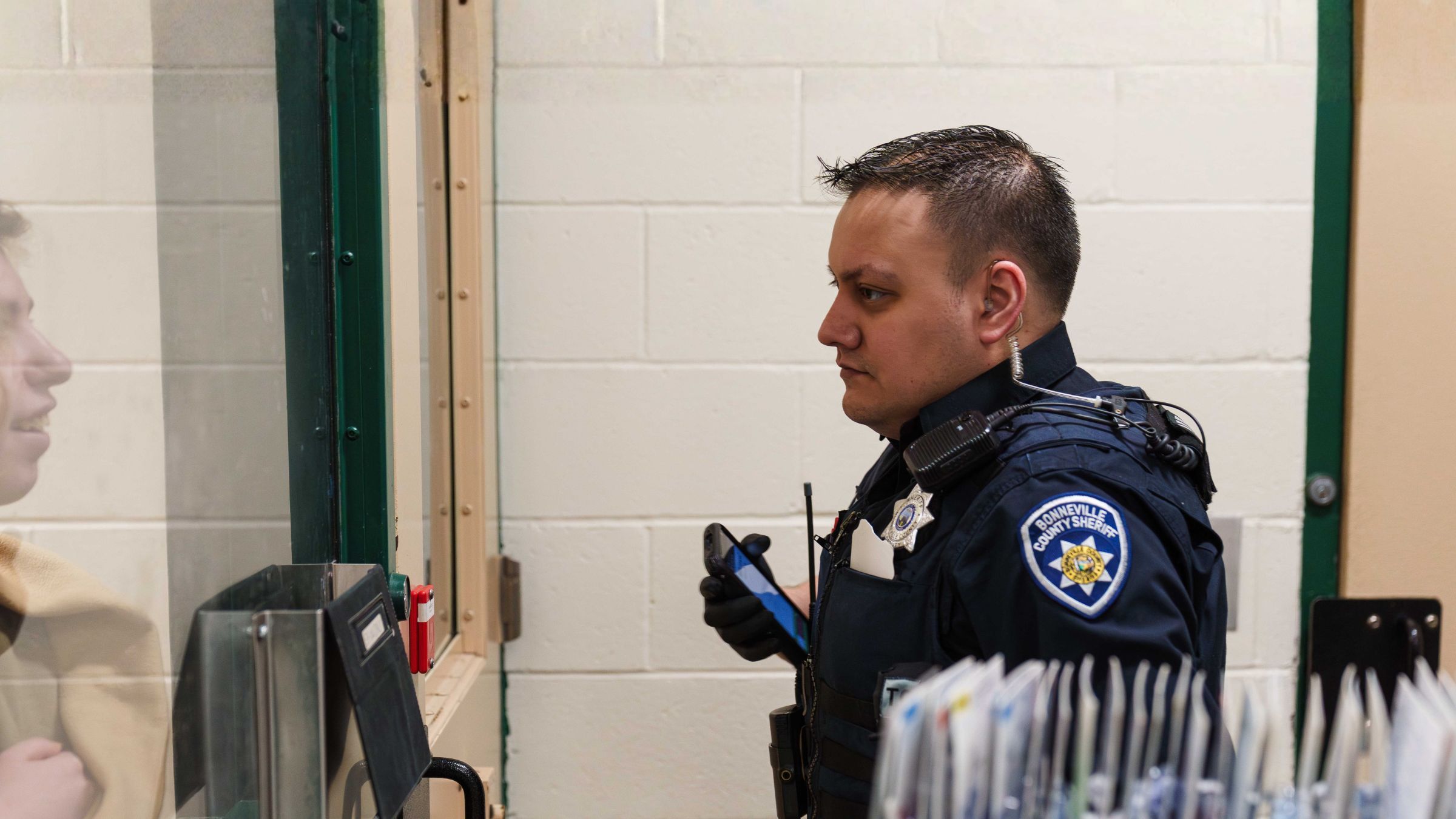
The Inmate Tracking System That Makes Every Action Defensible
Your officers already document every movement. The record just lives on paper or in a spreadsheet, minutes behind the event. An inmate tracking system closes that gap.
Command Cloud from GUARDIAN RFID provides a record you can defend in an audit, a lawsuit, or a staff review. Every check timestamped at the cell door. Every count faster than the dated process it replaces.
SOC 2 Type II attestation. Maintains compliance with the CJIS Security Policy. Hosted on AWS GovCloud. Built to support ACA accreditation and PREA audits. Trusted by agencies across the United States.
Real time
Paper logs and desktop stations delay the record. Command Cloud creates it at the cell door instead.
Real proof
The lawsuit lands years later, and your log has to hold: a written time can be moved, a scan's timestamp can't.
Real speed
With vacancies and mandatory overtime, any workflow that adds steps gets skipped or faked. The fix is a faster count, not a more thorough-looking one.
98%+
Rounds compliance
Ramsey County, Minn.
100%
Of security rounds audited
Benton County, Wash.
60%
Reduction in count times
Baker County, Fla.
Optimized checks, total visibility
"Overall, the system has greatly increased our ability to track and monitor detainees. This has resulted in a significant improvement in security checks and provided us with an easier way to monitor almost all aspects of our detainees’ daily activities."
Richard Rushin, Jail Administrator
Cape Girardeau County (MO) Sheriff's Office
See How It Works
Watch a short demo and see the movement record built at the cell door.
What an Inmate Tracking System Records
An inmate tracking system records the location, movement, and activity of every individual in custody at the moment each event happens, and stores it as a timestamped, auditable record.
That last part separates a tracking system from a logbook. The record is created at the point of contact, not reconstructed later at a desk.
Is GUARDIAN RFID a Jail Management System?
No.
A jail management system is your tool of record. It holds booking, classification, charges, and releases. An inmate tracking system is your tool of execution. It holds the proof that the work on the floor actually happened. It works alongside your JMS rather than replacing it.
Here is how the two divide the work inside a facility.
| Operational task | JMS | Inmate tracking system |
|---|---|---|
|
Booking, charges, classification |
The official file |
Read in, not duplicated |
|
Cell and welfare checks |
Not captured at the point of contact |
Timestamped at the cell door |
|
Headcounts and master counts |
Entered after the fact |
Scanned as the count runs |
|
Internal movement and transports |
Destination and status |
Every leg, as it happens |
|
Audit and inspection reporting |
Booking and custody history |
Movement and activity history |
|
Officer accountability |
Not tracked |
Who scanned, where, and when |
Most jail management systems now ship a mobile tracking module. Keep your JMS. Its tracking module was not built for the floor.
Log Movements Without Leaving the Floor
Record activity right where it happens.
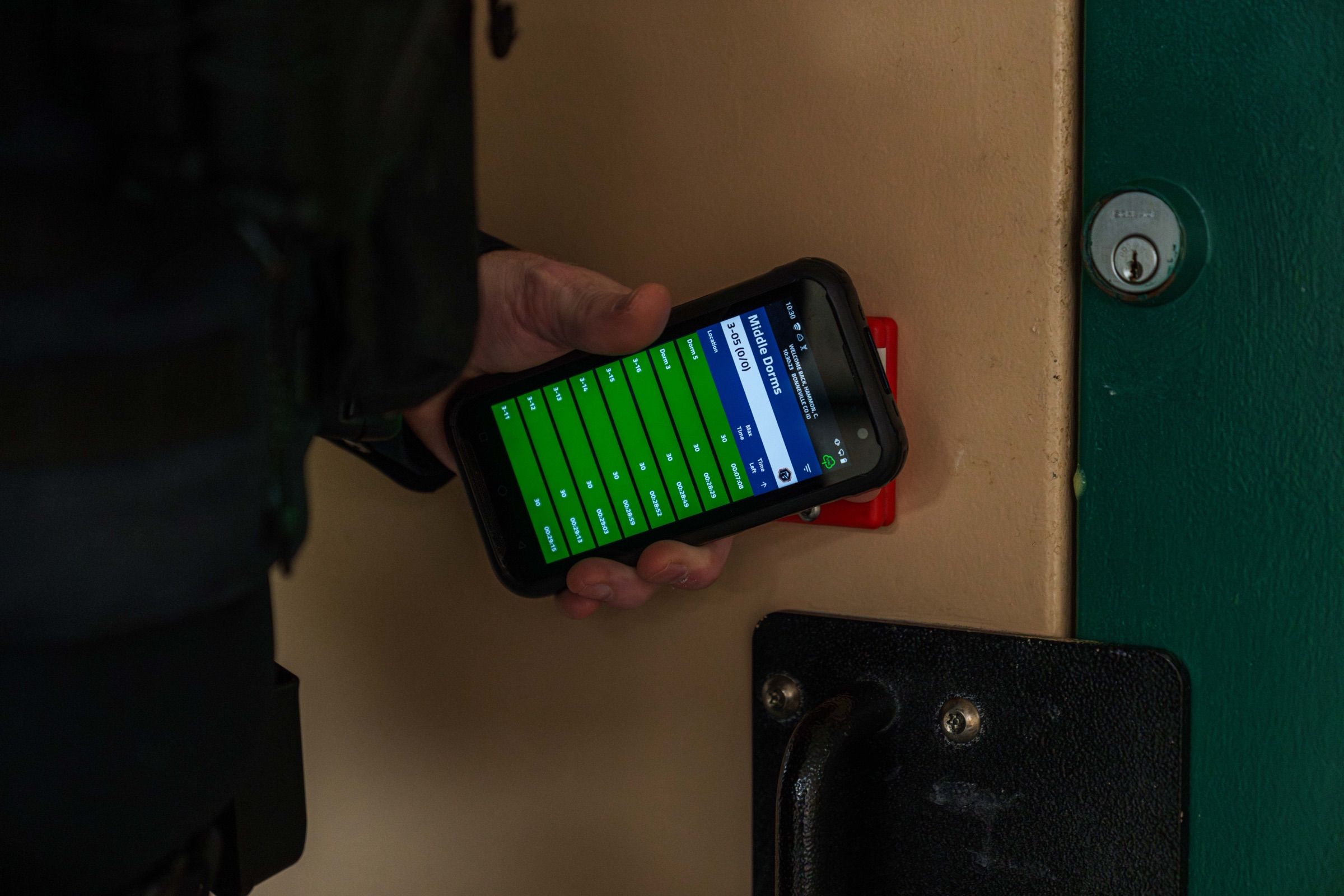
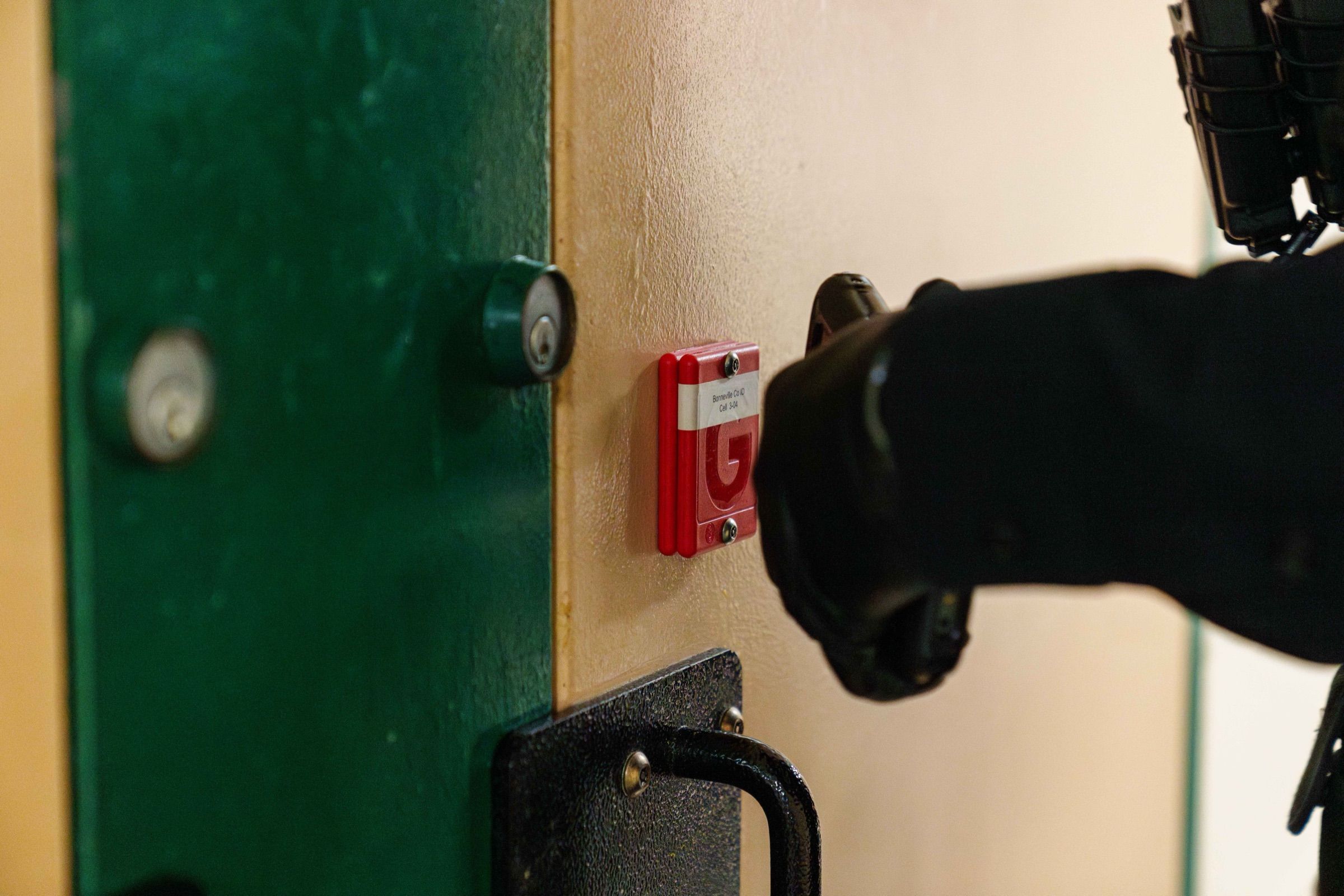
SPARTAN is the rugged handheld an officer carries through a housing unit. The officer scans a wristband, ID card, or hard tag at the cell door, and the event writes to Command Cloud in real time. No workstation trip. No end-of-shift catch-up.
Will An Inmate Tracking System Hold Up in an Audit or a Lawsuit?
Yes, if the record was created at the point of contact and cannot be edited after the fact.
That is the whole test. Correctional litigation does not arrive the year of the incident. Your defense is a record built before anyone knew it would be needed.
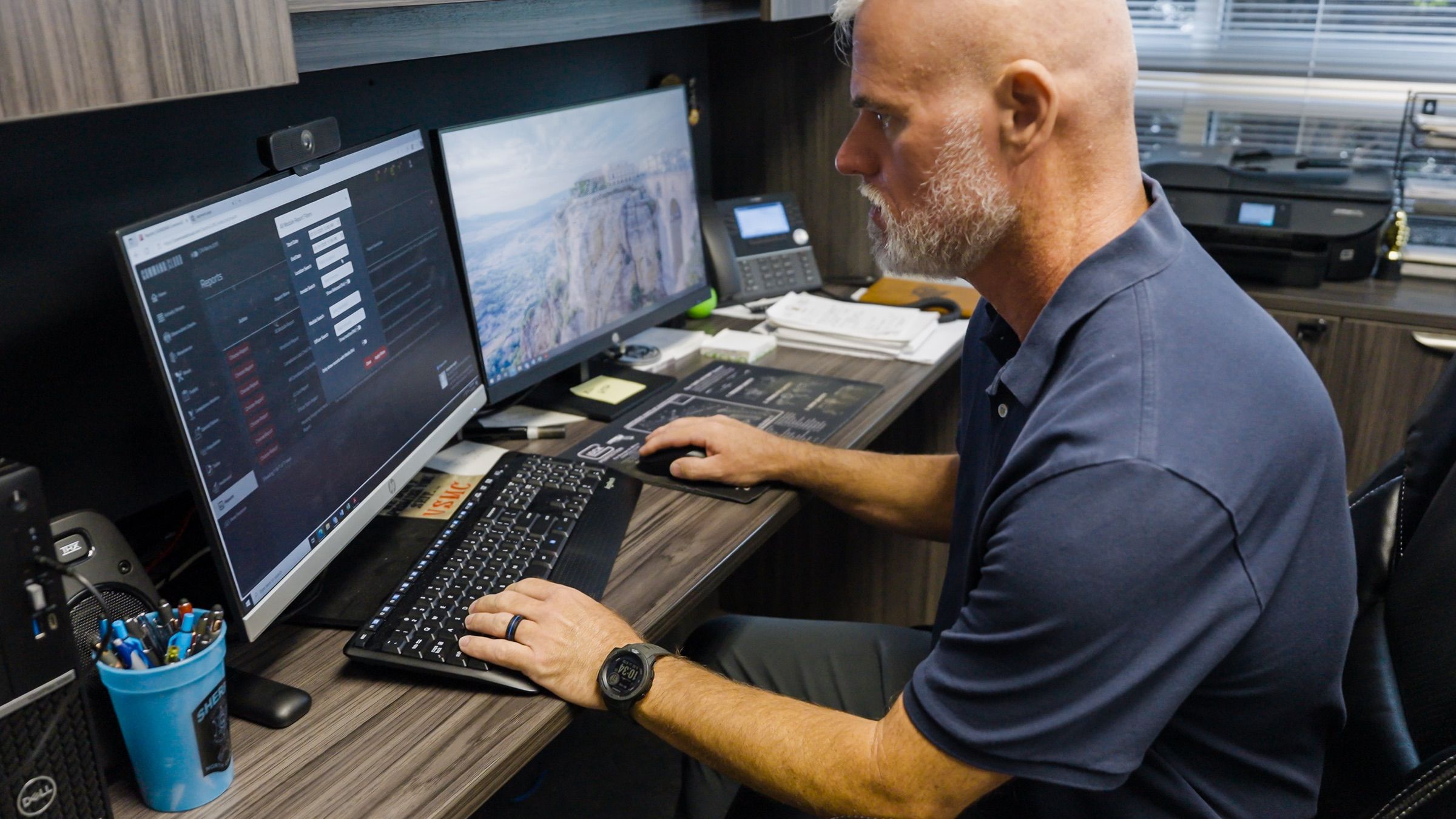
Command Cloud dashboards and Operational Intelligence produce the reporting directly: ACA accreditation files, PREA audit documentation, and state inspection formats.
How This Compares to Paper Logs and Guard Tour Systems
Against paper, the argument is falsifiability. An officer four minutes late can backdate the log; a scan carries a timestamp he doesn't control.
Against guard tour systems, it's scope. A tour proves an officer reached a checkpoint. It doesn't produce a headcount, a medication pass, or the activity history an audit demands.
What Does It Cost, and What Drives the Price Up or Down?
Command Cloud is priced by average daily population. That is the unit you already run your facility on, so the number is predictable before you ask for a quote.
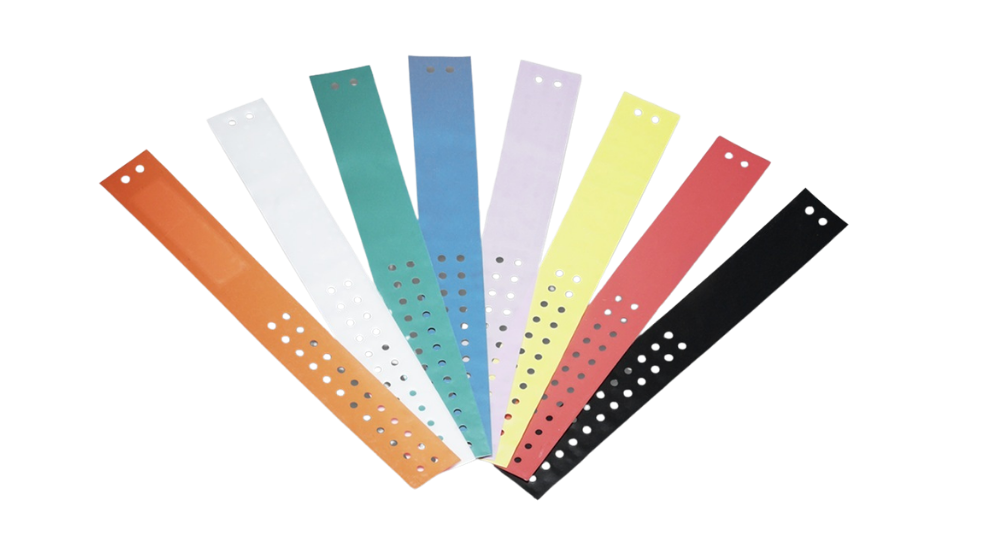
Consumables are the honest second line. Wristbands, ID cards, and hard tags wear out, get cut off, and get replaced. Budget for replacement, not just for the initial issue.
Expect year one to carry the highest cost. It flattens after that and stays stable.
Set that against the cost of a single in-custody settlement.
Learn More About GUARDIAN RFID Pricing
Command Cloud is priced by average daily population. See what drives the number up or down before you ask for a quote.
Frequently Asked Questions
Booking data flows from the jail management system into Command Cloud, so officers are not re-entering names, photos, or housing assignments. Operational activity flows the other direction: checks, counts, movements, and activity logs captured on the floor. The result is one roster, two systems, and no duplicate data entry at intake. Integration is configured per agency against the jail management system already in place.
Logging continues. The handheld stores each scan locally and forwards it to Command Cloud when the connection returns, so a network outage or a dead zone in a housing unit does not create a gap in the record. Officers keep working the same way and do not have to switch to paper and re-enter later. Timestamps reflect when the event happened, not when the device reconnected.
Ask for a SOC 2 Type II attestation, compliance with the CJIS Security Policy, and GovCloud hosting. A SOC 2 Type II attestation means an independent auditor tested the vendor’s security controls over a period of time, not just on paper. CJIS Security Policy compliance matters because your system will hold criminal justice information, and your state will ask. GovCloud hosting keeps that data inside infrastructure built for government workloads. GUARDIAN RFID holds a SOC 2 Type II attestation, maintains compliance with the CJIS Security Policy, and is hosted on AWS GovCloud.
Not necessarily. GUARDIAN RFID supports several credential types, and a worn one is the most common approach because it lets an officer confirm identity at the cell door without a workstation. Options include RFID wristbands, ID cards carried rather than worn, and sealed hard tags for long-stay or higher-risk housing. Where a facility cannot use a wearable, identification can run from a scannable credential at fixed points instead. Tampering and removal are handled as documented events, not silent gaps.
GUARDIAN RFID uses passive high-frequency RFID at 13.56 MHz, the same band as NFC. Passive tags have no battery to die and no readers to wire into a unit. They draw power from the officer's device, which has to reach the tag. That is a choice, not a limitation. Active RFID promises continuous location, but it costs more per tag, needs batteries replaced, and needs a signal that carries through concrete and steel. Passive requires an officer at the cell. That is the point.