About the Hernando Co. Detention Center
Hernando Co. Detention Center (Brooksville, Florida) is an 812-bed jail responsible for the care, custody and control of individuals arrested in Hernando County by the Sheriff’s Office. The facility houses males, females and juveniles who have been adjudicated for treatment as adults charged or sentenced on misdemeanor and felony crimes.
The Challenge
Data silos and paper-based systems made it virtually impossible to make data-driven decisions to improve jail operations.
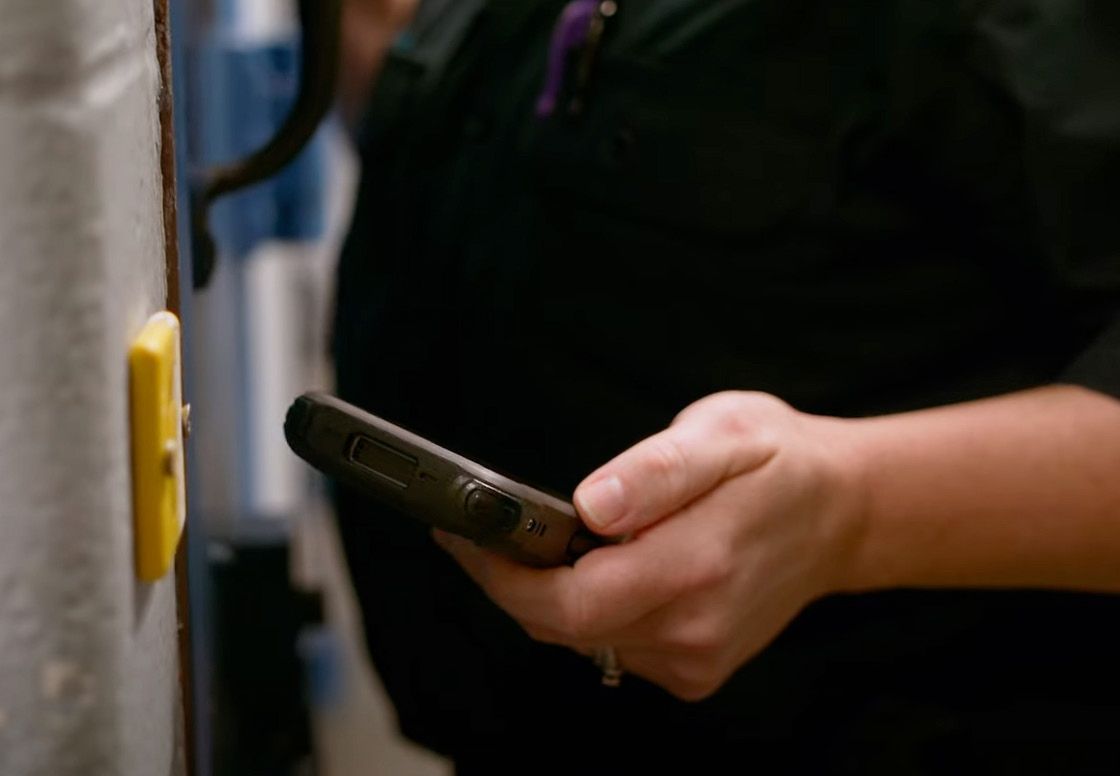
Like many jails in the United States, the Hernando Co. Detention Center relied on a combination of paper-based forms and their jail management system to capture inmate management data, such as security rounds, cell checks, meal passes, inmate movements, and headcounts.
Hernando Co. detention deputies work 12-hour shifts in direct supervision pods. Shifts are scheduled from 06:00 to 18:00 then 18:00 to 06:00. There are 2 Sergeants, 3 Corporals, and 16 deputies per shift.
During each shift, detention deputies were expected to capture inmate observations, movements, meal passes, and other inmate management responsibilities primarily in paper logs. Deputies would also enter information into their jail management system (JMS) from SmartCop.
Lt. Javier DeJesus explains the problems Hernando Co. had with its paper-based systems:
“Before switching to GUARDIAN RFID, we documented our checks using a paper-based system. This method had significant challenges, primarily the potential for human error, as staff could manually write down their times, leaving room for inaccuracies or missed checks. Ensuring accountability and verifying the accuracy of the documentation was difficult, as it relied heavily on trust without a reliable way to validate the data.”
“Driving performance was challenging because there was no efficient way to track trends or identify staff members needing additional support,” according to DeJesus.
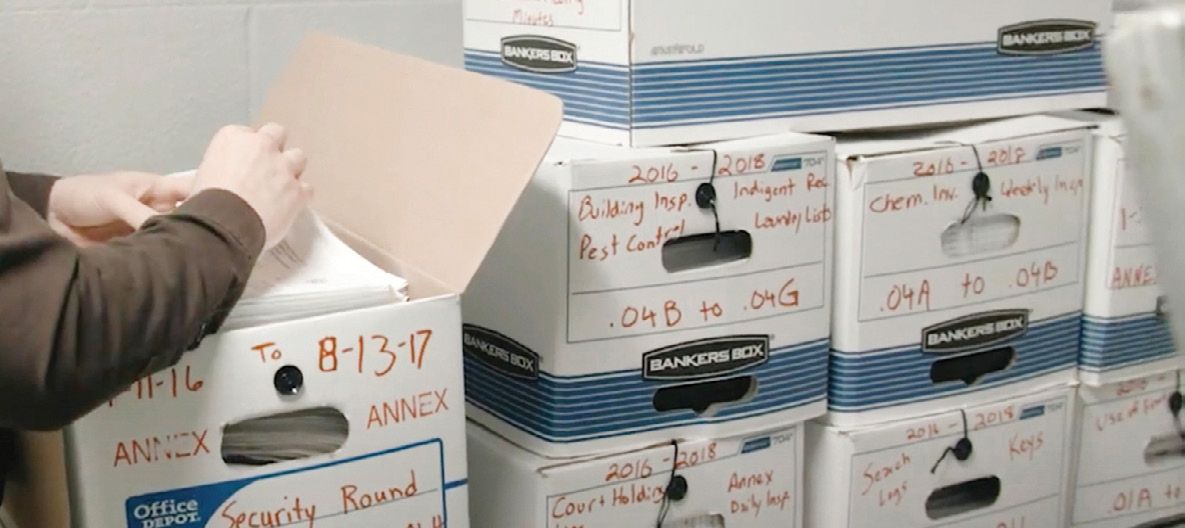
All paper logs were scanned, stored in filing cabinets, and manually reviewed and collated to prepare for annual jail inspections as required by the Florida Model Jail Standards or in response to legal requests.
For accreditation, it was time consuming to find proofs of well-being checks, meal passes, med passes, etc. being conducted daily. Reviewing handwritten records for day-to-day operational review was not only inefficient, but it would cause frequent communication and collaboration challenges between staff members – whether on the same shift or the one to follow.
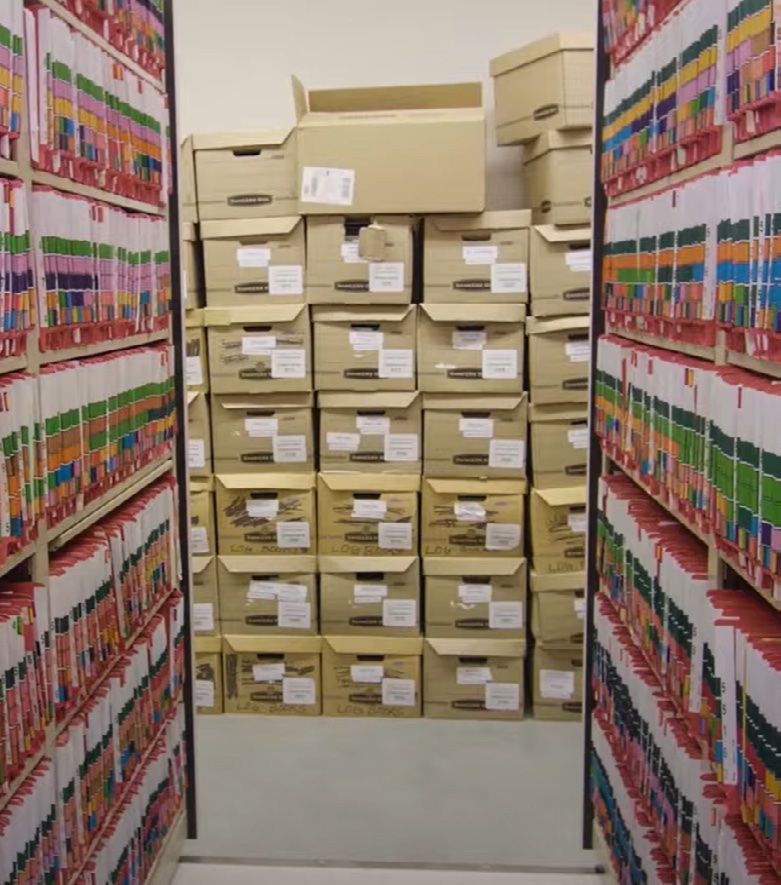
Supervisors and administration would frequently search and find data in their paper-based logs and JMS, creating a siloing effect that resulted in a slow and tedious effort to build accurate reporting. This required team members like Lt. Javier DeJesus to spend hours, at least a full month in advance of an annual jail inspection, to adequately prepare.
How GUARDIAN RFID Helps
Hernando Co. Detention Center has transformed its inmate management with real-time situational awareness and maximum staff accountability.
A sign in the detention center’s roll call room proudly displays this quote from U.S. Navy Seal Leif Babin: “It’s not what you preach. It’s what you tolerate.”
Lt. DeJesus and Major Shaun Klucznik receive an automated digital briefing every day at 06:00 from GUARDIAN RFID recapping the past 24 hours. The briefing is a breakdown of key performance indicators and diagnostic analytics that Lt. DeJesus can use to reward and recognize outstanding performance and investigate performance that falls below standards.
Specifically, they look at their facility’s overall rounds compliance percentage daily, as well as rounds compliance by shift and a data heat map that shows where and when late checks occurred. They use diagnostic analytics to identify why a late check may have resulted and provide coaching to a particular deputy as necessary.
For Hernando Co. Detention Center leadership, the magic number is 95%: they aim for each of their detention deputies to maintain at least a 95% compliance rating on their security rounds. In less than 90 days of their November 22, 2021 go-live deployment, Hernando Co. deputies were achieving breakthrough results with rounds compliance.
What’s even more impressive is how they have sustained their remarkable rounds compliance. Their rounds compliance hovers between 97.1% and 98.14% over a 12-month period.
Lt. DeJesus explains that nearly every deputy fully understands the importance of GUARDIAN RFID, how it’s expected to be used and why, and that it’s fully embraced by every member of the team.
While its line staff may have an average age of 41, there are plenty of 20+ year veterans in its supervisory corps, and both groups: the rookies and the veterans, celebrate the ease and reliability of using GUARDIAN RFID to capture legally defensible data at the point of responsibility.
And if there’s a dip below 95%, it’s Lt. DeJesus who investigates each day.
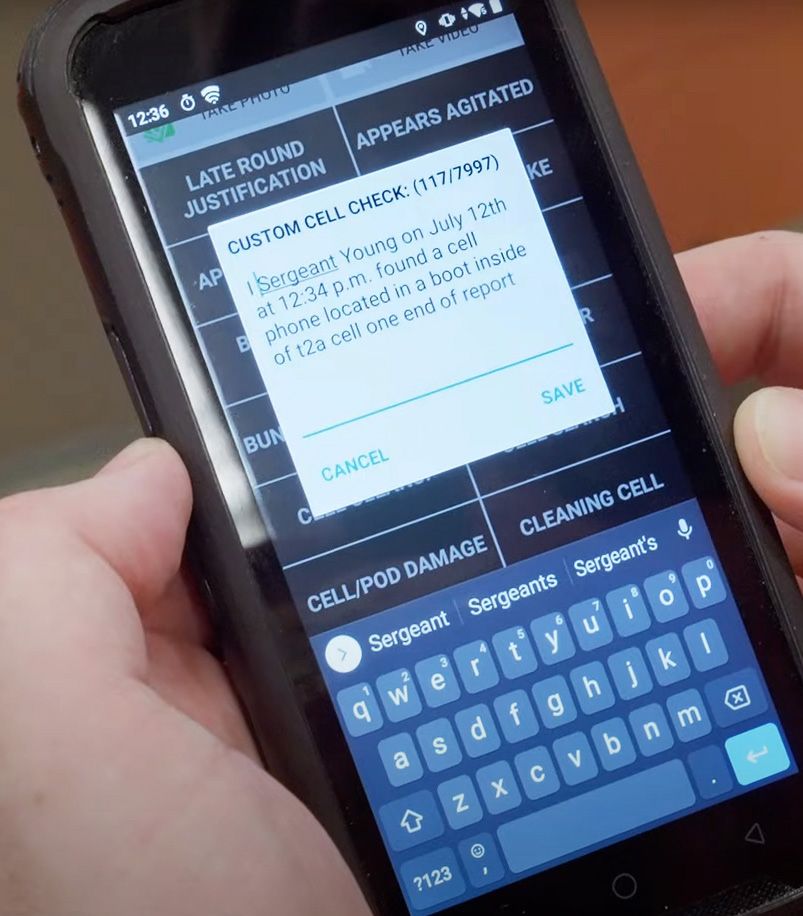
“Sometimes, there may be an inmate disturbance that causes some checks to be late as an exception. When this occurs, we expect our deputies to log a late check justification on their [ultra-rugged Android] SPARTAN.”
Since the implementation of the GUARDIAN RFID system, only a very small number of deputies have struggled to maintain consistent rounds performance. To address this, they were provided with additional training and reassigned to different housing units within the jail, including high-risk areas, so we could closely monitor their actions and identify what they were doing wrong. Issues were then quickly corrected on the spot.
According to Lt. DeJesus, the journey towards achieving and sustaining compliance was getting Hernando Co. Detention Center supervisors to read the daily reports from GUARDIAN RFID. Once this became part of their new normal, supervisors could identify and address concerns on their shifts more effectively. Gaining that clarity was vital, and after everyone was on board, it transformed into a healthy competition.
“I began sharing the weekly average of late checks with all four sergeants, and none of them wanted to lead in late checks, which further motivated the squads to stay committed to compliance.”
Other Performance Gains
Despite the majority of U.S. correctional officers reporting burnout caused by poor technology and policies, Hernando Co. detention deputies are thriving in a Cloud-first, mobile-first world. According to Major Klucznik, staff have overwhelmingly embraced GUARDIAN RFID, viewing it as a trusted part of a deputy’s technology stack.
Another important gain in Hernando Co. Detention Center strengthening its rounds compliance: according to Lt. DeJesus, detention deputies have prevented over 100 attempts by inmates to self-harm each year – easily two to three per week.

GUARDIAN RFID is a member of the Amazon Web Services (AWS) Partner Network (APN) and the AWS Public Sector Partner (PSP) Program.
Command Cloud is built from the ground up on a modern technology stack to protect and empower America’s Thin Gray Line. Command Cloud is deployed securely in the Cloud in partnership with AWS, the most trusted and broadly adopted Cloud platform, using a number of AWS cloud services, including AWS GovCloud (US), Amazon EC2, Amazon EBS, Amazon SageMaker, Amazon GuardDuty, Amazon CloudWatch, and AWS Lambda.
Together, these services enable Command Cloud to meet the growing technology needs of Warriors while maintaining a strong security posture that maintains the integrity of Criminal Justice Information Systems (CJIS) Security Policy compliance.