
About ADCRR
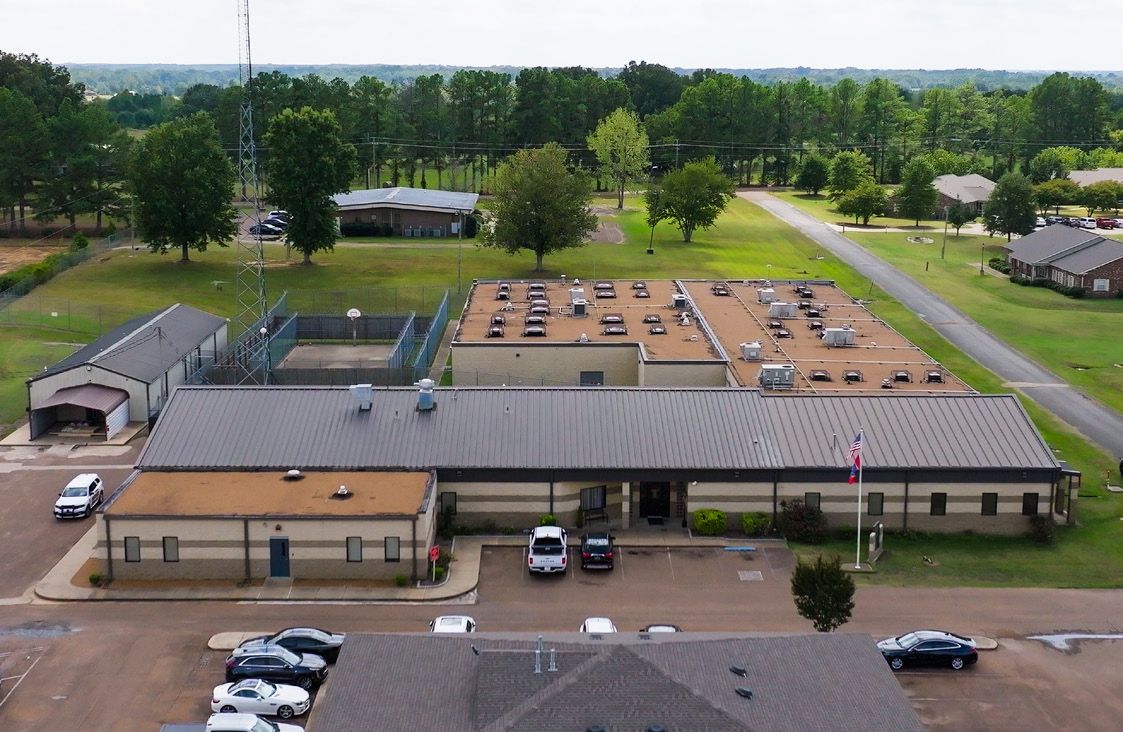
Arizona Department of Corrections, Rehabilitation and Reentry (ADCRR) oversees approximately 40,000 individuals across nine complexes, with an additional 5,000 individuals under community supervision. ADCRR provides supervisory staff and administrative functions at the state level for the institutionalization, rehabilitation, and community supervision of adult offenders.
“Perfect Effort” is a call to action emblazoned on almost every sign at the Arizona Department of Corrections, Rehabilitation and Reentry Central Office in downtown Phoenix. The phrase is also incorporated into inmate artwork proudly on display throughout its facilities, including Perryville, one of the largest complexes within the ADCRR prison system.
For Director Ryan Thornell, the expression focuses on the process of giving maximum effort and emphasizing the quality of the attempt, not achieving flawless results. Two years into his appointment as Director of the Arizona Department of Corrections, Rehabilitation and Reentry, Director Thornell is fully operationalizing a vision he calls “Reimagining Corrections,” leading over 9,000 employees into a modernized corrections organization.
The Challenge
In 2023, the United States Court of Appeals for the Ninth Circuit issued an injunction requiring statewide changes to medical care, mental health care, and conditions of confinement in restrictive housing units in Arizona state prisons. The injunction was based on a lawsuit (Jensen v. Thornell) that found ADCRR violated the constitutional rights of individuals in custody and mandated broad sweeping reforms, including modernizing the agency’s approach to record keeping.
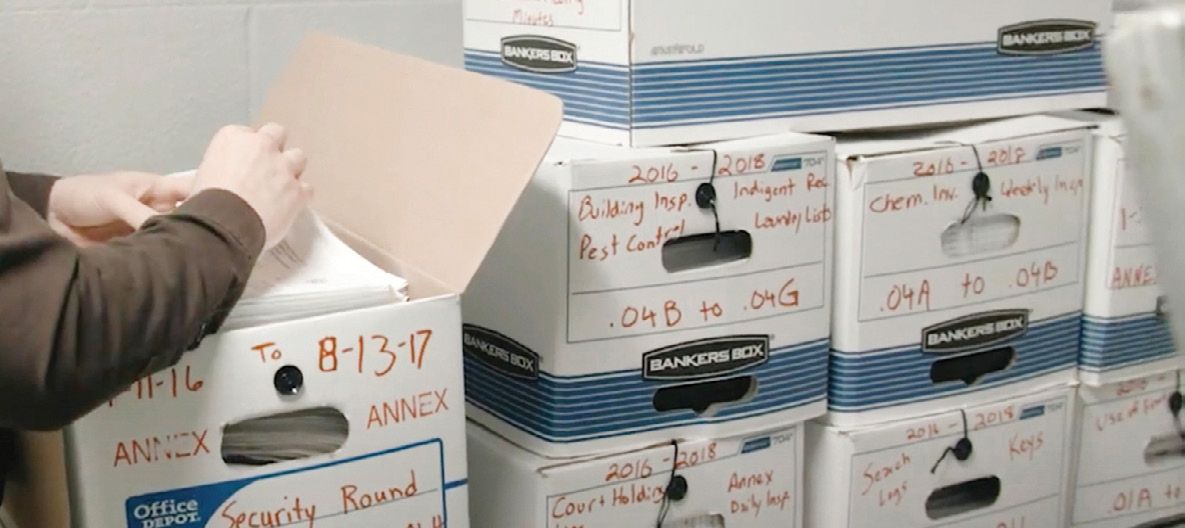
A key part of the injunction required the implementation of an electronic offender management system, which ADCRR refers to as EOMS. Historically, ADCRR managed much of its inmate record keeping—including access to medical care, inmate supplies, welfare checks, meals, showers, programming, and recreation—using manual, paper-based log sheets.
The injunction mandated installation of a comprehensive RFID system within restrictive movement locations across state complexes and specifically identified the need for an RFID solution capable of accurately tracking and monitoring the movement, out-of-cell time, and services delivered for inmates and staff within the facility. It also required the system to generate reports for review by court-ordered monitors to ensure ADCRR’s compliance with injunction standards.
The modernization process was required to begin within one month of the order’s issuance, with a completion deadline of December 2024.
Provisions of the injunction also required detailed, electronic reporting on inmate out-of-cell time. This includes a minimum of 14 hours of out-of-cell (OOC) time per week for activities such as recreation, showers, classes, and therapy. The subclass was also required to receive a measurable 2.5 hours of out-of-cell time daily, exceeding the injunction requirement, as well as group recreation.
Pilot Rollout
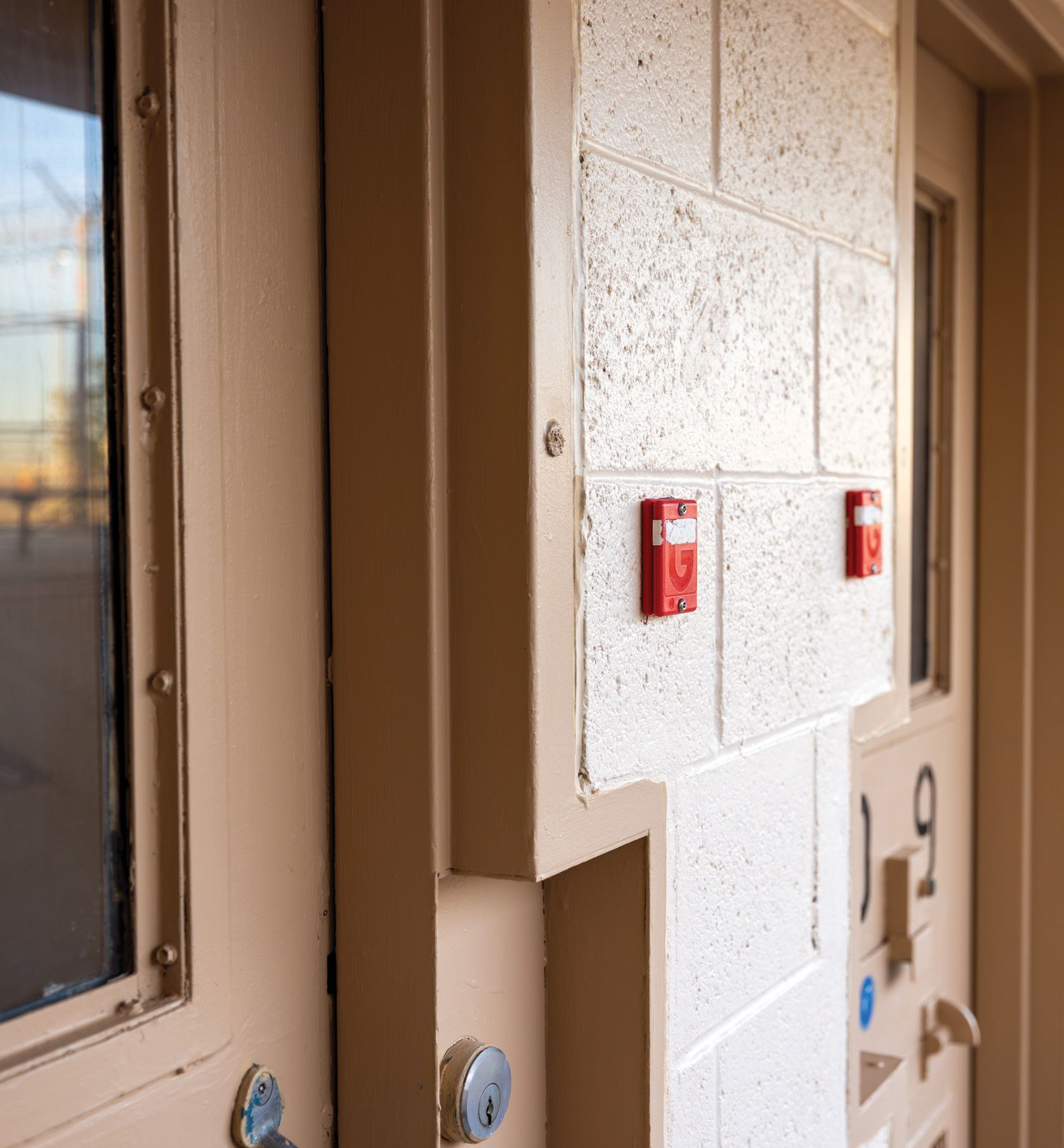
ADCRR initiated a pilot deployment of GUARDIAN RFID technology at the Eyman Complex Browning Unit in January 2023. Prior to the pilot program, the Browning Unit relied on manual, paper-based systems, processing over 1,000 forms each week for a population exceeding 1,000 inmates. The pilot included over 1,200 wall-mounted RFID tags (Hard Tags) and 44 ruggedized mobile devices (SPARTANs), Mobile Command licenses, business intelligence software (Operational Intelligence), and Cloud-native reporting that integrated with the agency’s homegrown offender management system.
Within the first 90 days, the Browning Unit achieved compliance with inmate out-of-cell time by more than 75%. For the first time in its operating history, every staff member was able to see the facility’s OOC compliance rate. Within six months, OOC compliance exceeded 95%.

Similarly, access to certain inmate supplies, including cleaning supplies, was also captured and reported on as required by court monitors. Compliance with access to inmate supplies surpassed 95% in less than a year, as did measurable compliance with recreation, meals, showering, and programs.
Following the success of the pilot, ADCRR ordered a statewide expansion of GUARDIAN RFID’s officer experience platform, Command Cloud, across all remaining complexes to ensure compliance with the injunction. The Command Cloud rollout was fully completed in November 2024.
One modification requested by ADCRR project members was the ability to mandate video capture of any inmate refusing the offer of a meal, recreation time, shower, or program. This video is captured in Mobile Command XR, the mobile inmate tracking system, at the point of responsibility and synced to Command Cloud for digital evidence retention. In less than 12 months, ADCRR has uploaded over 2.3 terabytes of data, including over 500,000 video assets and images. These assets are securely stored and accessible in Command Cloud by authorized ADCRR personnel.
Remediating Sanitary Conditions
As part of the injunction, the Department was required to develop a plan to oversee the upkeep of designated areas. This included providing inmates with access to cleaning supplies—such as sanitation products, mops, buckets, brooms, and rags—as well as regular pest control maintenance. Inmate sanitation expectations are completed daily at all subclass locations and logged in Command Cloud.
Since the injunction began, the Department has exceeded 90% compliance in providing cleaning supplies to inmates at all locations. ADCRR has also exceeded 90% compliance in providing pest control services. Each location receives services twice per month for both common areas and individual inmate housing units, with every record captured by Mobile Command XR and stored in Command Cloud for reporting purposes.
All Command Cloud reporting is utilized by Erica Altigieri, Restrictive Housing Administrator for the Arizona Department of Corrections, Rehabilitation and Reentry. In this role, Altigieri is responsible for monitoring the requirements set forth in the Jensen v. Thornell Injunction, including the mandated use of RFID-based EOMS in all subclass areas.
Altigieri and her team produce numerous monthly reports derived from Command Cloud data, including the Prisoner Activity Report, Housing Activity Report, Round Compliance Report, Meals Report, Recreation Report, Movement Report, Population Report, Use of Confinement Report, and Maintenance and Equipment Report. These reports are furnished to the court monitor and plaintiffs.
Meal Management Record Keeping
The 2023 injunction stipulates that all subclass locations must serve three separate meals (two hot and one cold) Monday through Friday, with no more than 14 hours between dinner and the following morning’s breakfast. Prior to Command Cloud, this information was inconsistently logged on paper forms and frequently failed to capture all necessary details.
Beginning July 10, 2023, ADCRR began digitally logging all three meals with Command Cloud. Since implementation, ADCRR has exceeded 90% compliance regarding time frames, meal types, and amounts served to the inmate population.
Security Round Compliance
Accurate and verifiable security round compliance is often a critical legal requirement, particularly in injunctions concerning correctional facility operations. These legal agreements frequently mandate specific inmate safety and security standards, including regular and documented checks on housing units and inmate well-being.
Prior to the Injunction, ADCRR was using pen and paper to document security checks. This method inherently presented several challenges, including the potential for human error in recording, difficulties in real-time monitoring of compliance, and the labor-intensive process of auditing records to ensure adherence to required schedules.
Digitizing the department’s security round performance was essential to injunction compliance. Officers now scan ruggedized RFID tags (Hard Tags) to log presence at designated locations, as well as using Mobile Compliance Monitor (MCM) to visualize real-time rounds performance. Mission Command’s Cloud-native auditing controls, including late check justification and supervisory review, enabled ADCRR to immediately verify compliance across all subclass locations.

This electronic data-capturing method offered several key advantages that contributed to achieving compliance with the Injunction:
- Enhanced Accuracy and Reliability Digital recording reduces the likelihood of errors associated with manual data entry and ensures that each check is accurately time-stamped and associated with the staff member who captured the log.
- Real-time Monitoring Command Cloud provides a centralized platform where supervisors can monitor the progress of security rounds in real-time. This allows for proactive intervention if rounds are missed or delayed, ensuring that compliance issues are addressed promptly.
- Comprehensive Audit Trails MCM automatically generates detailed audit logs of all security rounds, including the time of the check, the location, and the staff member involved. This electronic record-keeping method simplifies the process of verifying compliance for both internal audits and external reviews, including those mandated by injunctions.
- Improved Accountability The digital nature of Command Cloud enhances officer accountability by providing a clear record of who performed each security check and when. This reduces ambiguity and ensures that staff are responsible for completing their assigned rounds.
- Proactive Alerts The enhanced alarm feature ensures that staff are reminded of upcoming checks, minimizing the possibility of missed rounds due to oversight. This proactive approach helps maintain a consistent high level of compliance.
- “The accuracy, real-time visibility, and comprehensive audit trails provided by Command Cloud offer a robust framework for ensuring the safety and security of inmates and for meeting the stringent demands of court-ordered mandates.” Administrative Lt. (Retired) Kevin McClellan
With input from ADCRR staff, GUARDIAN RFID enhanced Mobile Compliance Monitor’s alerting capabilities to proactively notify staff when scheduled security checks were approaching their due time. This helped maximize security round completion and reduce the risk of missed security checks.
From June 1, 2023, to May 31, 2025, Browning Unit maintained an average 85.83% compliance rate. ADCRR facilities that were part of the statewide deployment achieved the following compliance percentage results from June 1, 2024, to May 31, 2025:
- Rast 89.61%
- Complex Detention 94.18%
- Mohave 97.35%
- Manzanita 98.61%
- Bachman 93.48%
- Rincon 95.36%
- Stiner 97.66%
- Dakota 94.75%
- Morey 97.54%
- Cheyenne 93.39%
- Lumley 98.67%
- Fort Grant 99.02%
- Perryville 99.86%
- Eagle Point 95.90%
- Cimarron 87.42%
- Kaibab 98.64%
Note: Data was not available for units Winchester and Baker Ward at the time this research was compiled.
Command Cloud, and specifically Mobile Compliance Monitor (MCM) and Mission Command’s auditing tools, significantly strengthened its ability to demonstrate and maintain adherence to the security round requirements often stipulated in legal injunctions.
Long-term ADCRR Strategic Plan
In 2024, the Arizona Department of Corrections, Rehabilitation and Reentry published its 2025-2029 strategic plan. Among many objectives: achieving 100% compliance with all court orders and mandates by June 2029.
In less than 12 months, Command Cloud is driving measurable, sustainable progress toward compliance with the injunction. Under ADCRR’s leadership, the department has digitally transformed its entire approach to offender management. ADCRR continues to progress toward 100% compliance in sanitation, meals, and out-of-cell time—ensuring every inmate in the subclass is digitally offered 2.5 hours of out-of-cell time daily, from showers to programming.
Each day, ADCRR staff capture digital video evidence in Mobile Command XR to substantiate all inmate refusals, storing more than 500,000 video assets and images annually in Command Cloud, the officer experience platform (OXP).
“GUARDIAN RFID has revolutionized the way ADCRR tracks inmates, transforming a traditionally paper-based system into a cutting-edge, electronic offender monitoring solution. This technological shift not only enhances operational efficiency but also ensures real-time accuracy and accountability, redefining how correctional facilities manage inmate information.”
GUARDIAN RFID is a member of the Amazon Web Services (AWS) Partner Network (APN) and the AWS Public Sector Partner (PSP) Program.
Command Cloud is built from the ground up on a modern technology stack to protect and empower America’s Thin Gray Line. Command Cloud is deployed securely in the Cloud in partnership with AWS, the most trusted and broadly adopted Cloud platform, using a number of AWS cloud services, including AWS GovCloud (US), Amazon EC2, Amazon EBS, Amazon SageMaker, Amazon GuardDuty, Amazon CloudWatch, and AWS Lambda.
Together, these services enable Command Cloud to meet the growing technology needs of Warriors while maintaining a strong security posture that maintains the integrity of Criminal Justice Information Systems (CJIS) Security Policy compliance.