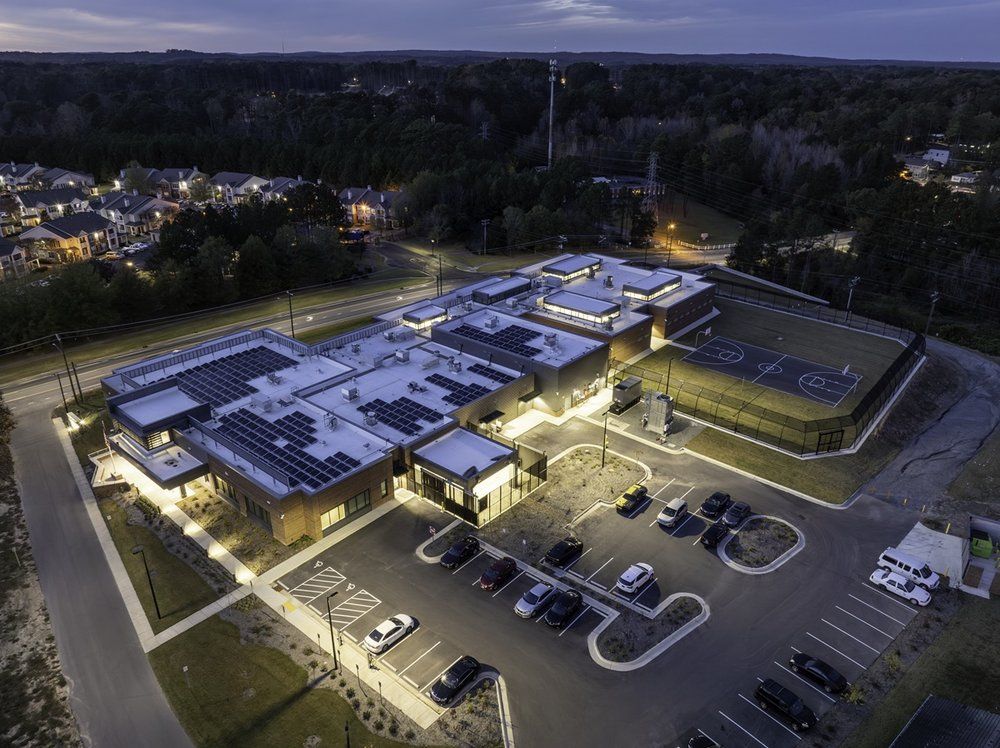
Building Westville State Prison: Designed to Rehabilitate
How the Indiana Department of Correction is replacing two aging facilities with one built for custody, programming, and treatment

Alyssa Pfaff
27 October 2026
AT A GLANCE
4,200 beds across a purpose-built, 90-acre campus: replacing facilities that were retrofitted, rather than designed, for corrections
A dedicated 240-bed Mental Health Wellness Addition: an inpatient treatment hub built inside the wall
~80% of the incoming population needs mental health treatment, addiction recovery, or both, and the new campus is designed to deliver it
About the Project
The Indiana Department of Correction (IDOC) operates two facilities in the northwest corner of the state. The Indiana State Prison in Michigan City, a maximum-security fortress, opened in 1860. The Westville Correctional Facility, 20 miles south, first opened in 1951 as the Beatty Memorial Hospital, a state mental health institution, and was converted to a prison only after a federal overcrowding lawsuit left the state with nowhere else to place its growing population.
Neither building was designed for the work it does today.
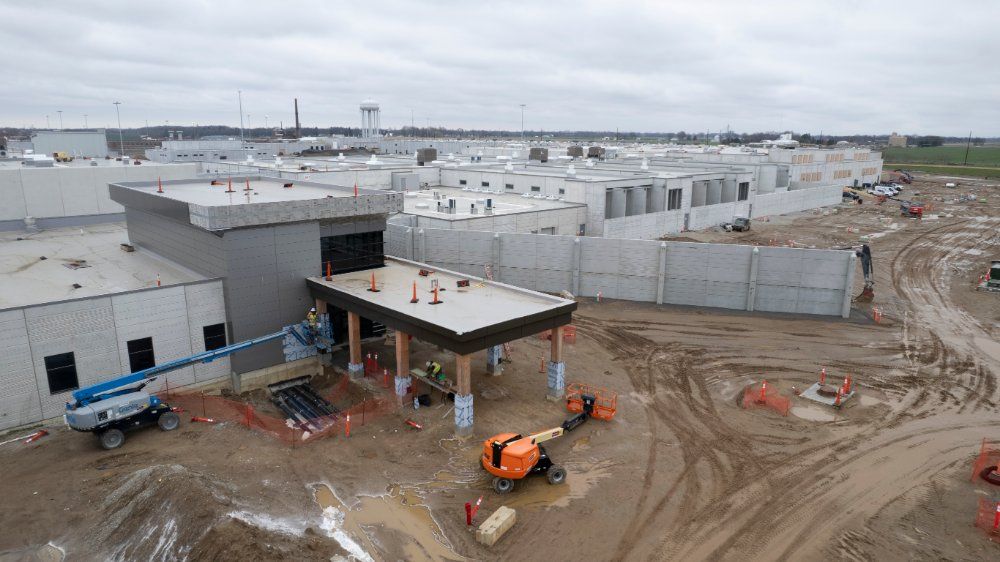
To fix that, IDOC is constructing a new facility, Westville State Prison, on 90 acres just south of the legacy campus. More than half complete and on schedule for a 2027 opening, it is being built around the mission it will actually serve.
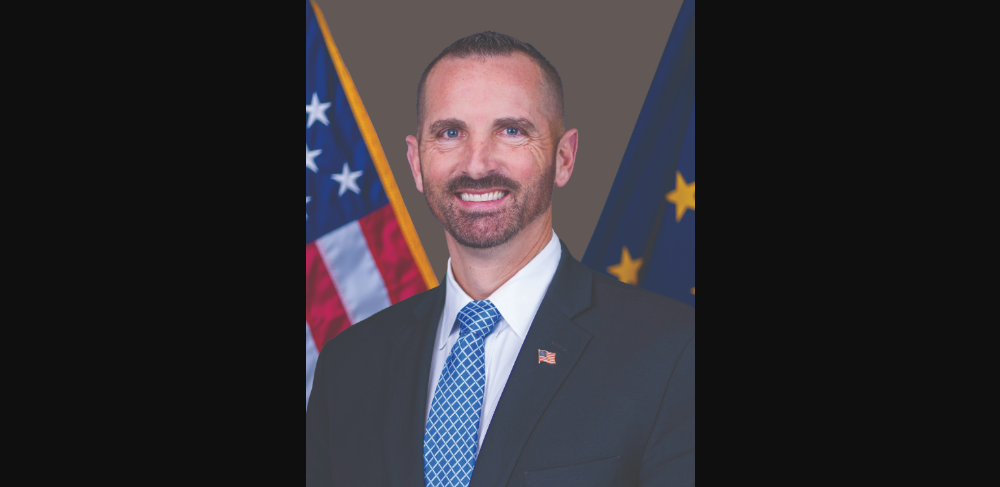
Commissioner Lloyd Arnold looks forward to starting up operations in the new facility.
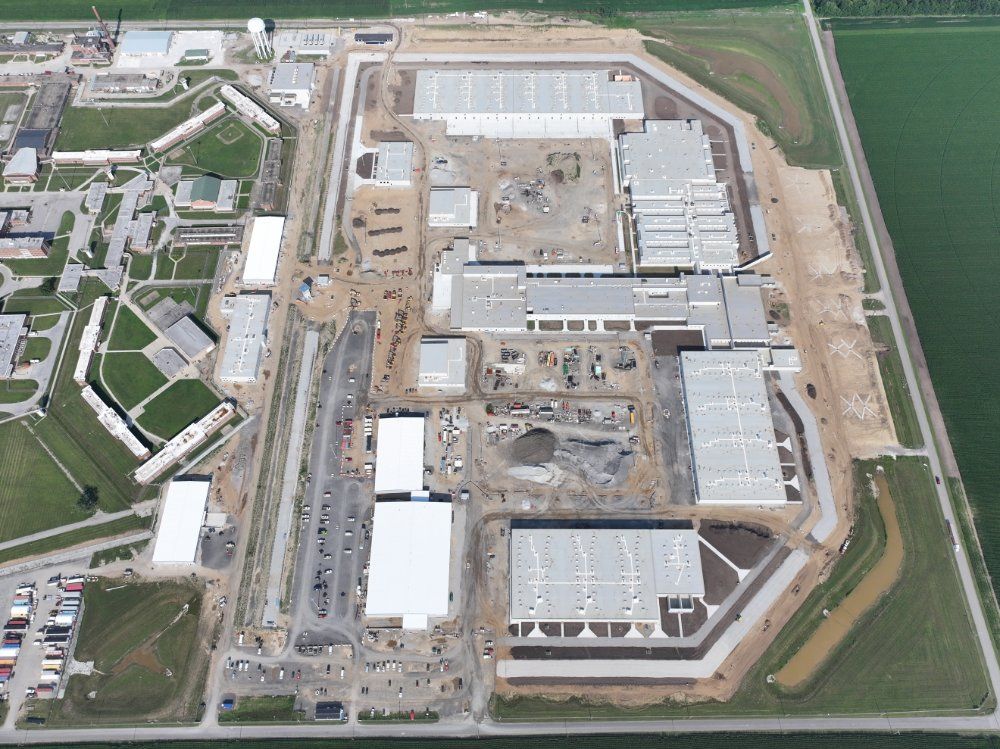
Image courtesy of Indiana Department of Correction
The Challenge
The core problem was structural, in every sense of the word.
The current Westville facility carries the bones of a psychiatric hospital, which puts it fundamentally at odds with the demands of a modern prison. Aging heating, electrical, and sewage systems pose maintenance challenges, and water-supply problems have required upgrades to the plumbing system. The need for better sightlines required the installation of additional cameras to improve visibility.
The Michigan City complex's challenges are even older. A 19th-century facility carrying a long institutional history, it requires regular maintenance to serve the population, with infrastructure, down to the wiring, that is simply outdated.
Beyond the buildings, the population itself has changed. Roughly four in five people entering the system need mental health treatment, addiction services, or both. More than 1/3 of released individuals return within three years, with untreated substance use a likely contributor. And with maximum-security facilities running near capacity, there is little physical room left for the programming proven to change those outcomes.
"Offenders serve their incarceration differently now," Arnold said. "Their needs are greater than ever. The challenge for our management team is to deliver impactful services and programming while maintaining solid security protocols every day."
The Solution
A Facility Designed Around Movement and Supervision
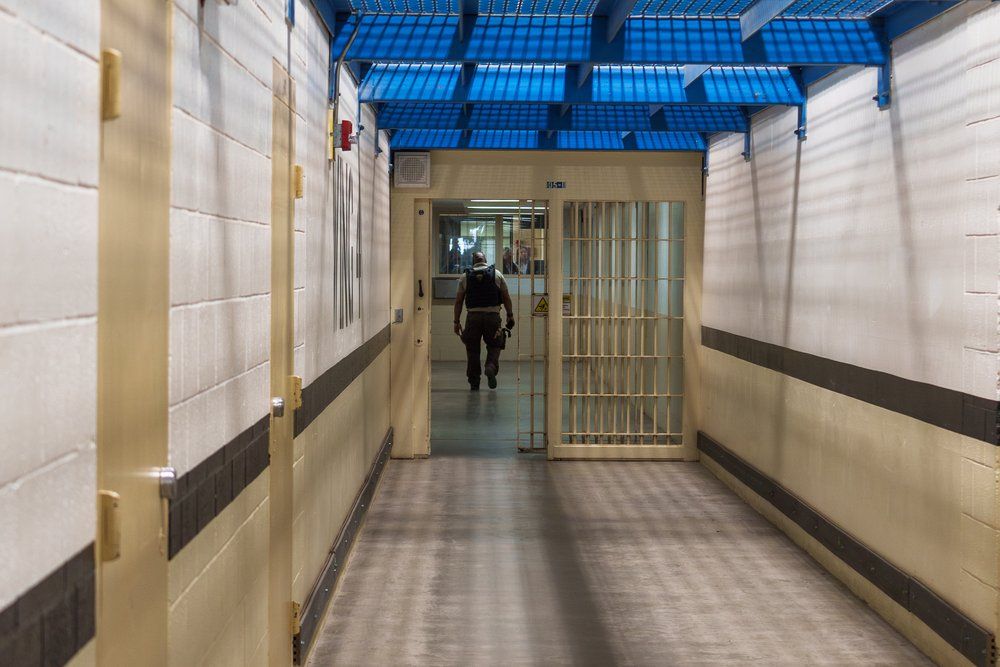
The new design announces its philosophy immediately: nothing is taller than two stories. Vertical movement, funneling hundreds of people through stairwells for meals and medication, is among the most volatile moments in any facility. So rather than move the population to services, the design brings services to the population, with education, vocational training, and medical care built directly into the housing units.
The units are built around direct supervision. Central stations give officers unbroken 360-degree lines of sight into living areas, eliminating blind spots. Individual pods can be secured independently, without locking down the entire campus.
"Introducing evidence-based ideas into the design has been a focus," Arnold said. "These advancements will directly benefit staff and offenders alike."
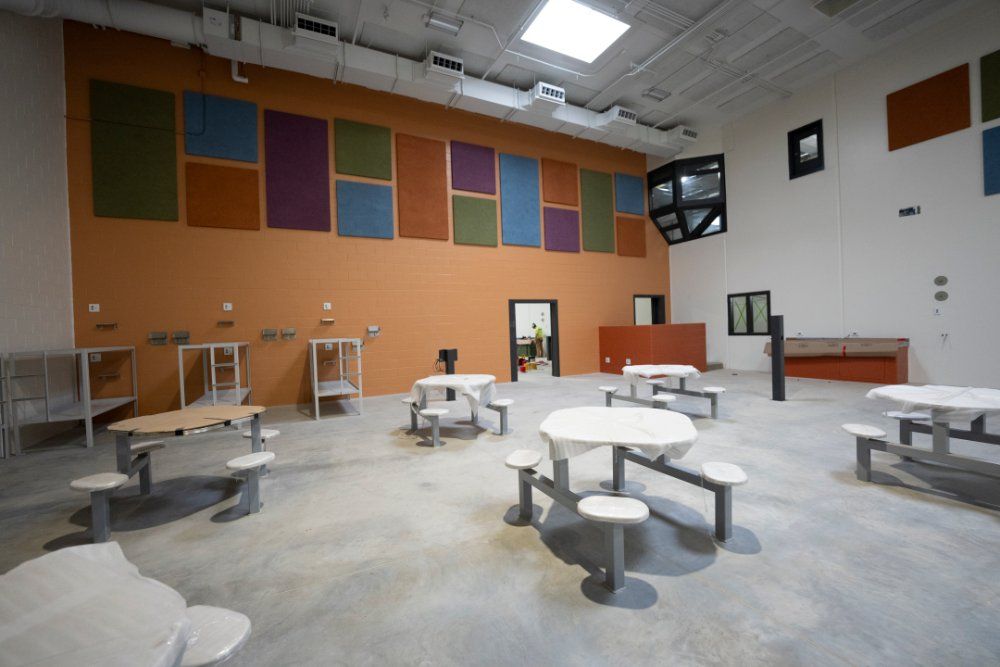
Image courtesy of Indiana Department of Correction
Treatment Built into the Facility
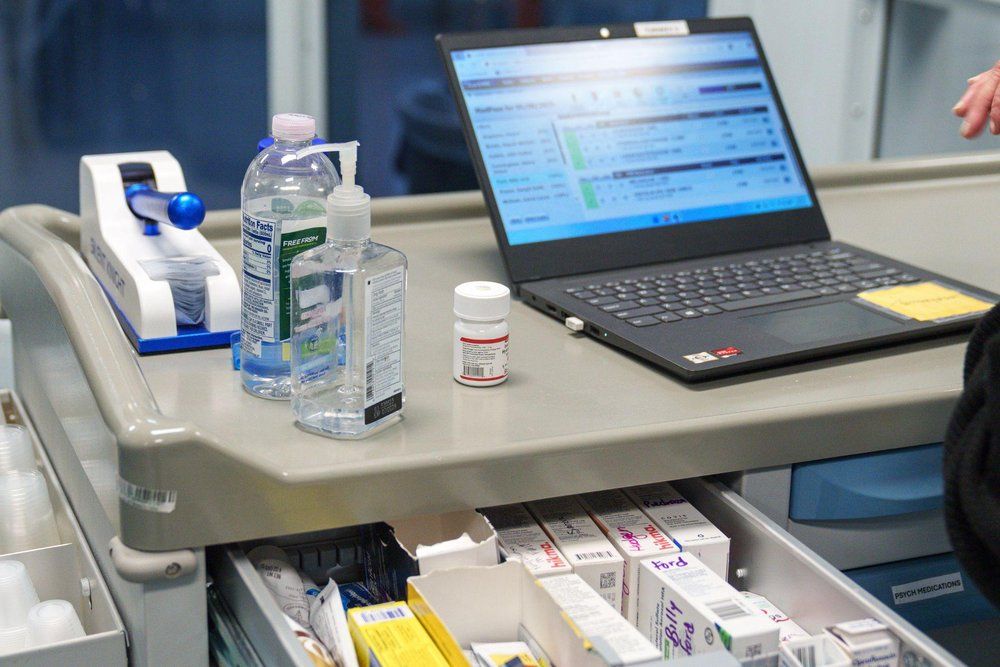
At the center of the rehabilitative mission is a dedicated 240-bed mental health wellness addition, effectively an inpatient hospital within the walls, designed the way clinicians would request it.
Sound-dampened dayrooms reduce agitation. Therapeutic color and natural light replace dark confinement. A step-down unit helps stabilize individuals before they transition back to the general population or release. Elsewhere, vocational space is tied to Indiana's regional economy – HVAC, RV repair, automotive work, culinary arts – so time inside builds transferable skills.
A Process That Put Staff at the Table
A project this size could easily fall victim to competing interests. IDOC's answer was to make collaboration structural. From the start, project managers pulled subject-matter experts from every affected area into the planning: not just leadership, but the practitioners who would work in the building every day.
"Involving subject-matter experts at all levels and establishing a dedicated transition committee from the very start has paid dividends throughout the process," he said.
The approach proved itself where the risk looked highest.
"The unit that looked most daunting early on was the inpatient mental health unit," Arnold said. "But by involving our daily practitioners and staff at every level throughout the process, we avoided issues that initially seemed overwhelming."
Technology Built for the Mission
The facility is engineered to give officers tools the old buildings simply can’t. Housing relies on prefabricated steel modular cells, installed with a consistency that hand-built construction can't match, and lacking the structural weak points people learn to exploit. Access control is designed to be keyless and centrally managed. And the utility infrastructure is built to safely support everyday technology that older wiring can’t carry.
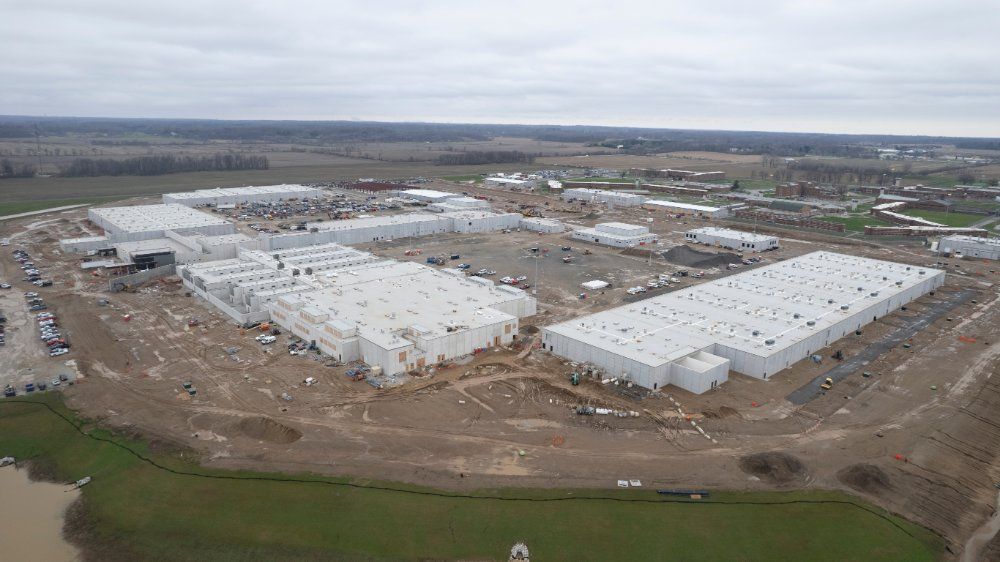
Image courtesy of Indiana Department of Correction
“Ask any of our line staff how the new technology will impact their daily work routine, and you’ll find a workforce eager to begin working at their new facility sooner rather than later,” Arnold said. "Replacing a decades-old facility with one built for the 21st century gives our officers greater visibility and accountability of the offender population from the perimeter to inside the cell houses."
The Transformation Ahead
When the new campus opens, IDOC expects the differences to show up across daily operations.
Movement, one of the hardest things to manage safely in the legacy buildings, is expected to change first.
"One of the most substantial differences will be far more efficient movement of staff, offenders, and visitors throughout the facility," Arnold said. "New technology gives staff more effective tools to keep it safe and secure from day one."
The community surrounding the facility is part of the outcome, too. Construction has put more than 1,000 skilled tradespeople to work, while consolidation preserves hundreds of long-term corrections jobs in the region. The campus's location near the Chicago–Northwest Indiana corridor also expands the labor pool for the specialized roles that are hardest to fill, including mental health practitioners and vocational instructors. Keeping the community informed was, to Arnold, part of the job.
"Inviting community and political leaders to tour the new facility, explaining its mission, and showing up at local meetings, that transparency has been welcomed," he said.
For Arnold, the outcome that has already landed is human. Asked what has stayed with him, he doesn't point to a blueprint or a milestone.
"The moment that stands out above all others is the gratitude staff have expressed at being included at every level of this project," he said. "They're seeing their own ideas built into their new facility. They can take pride in knowing their contributions were taken seriously."
Advice for Other Agencies
Arnold has spent a long career in Indiana corrections, and he's direct about what this project has taught him.
"Each project is a learning process," he said. "If you document your past successes and challenges, it benefits you now and becomes a teaching tool for younger staff. Involve staff at every working level, pick a solid owner's representative who has your best interests in mind, and establish a multi-faceted transition team early."
It's advice that connects to those two aging facilities down the road: buildings handed a mission they were never designed to carry. When the new campus opens in 2027, the people who move into it won't inherit a repurposed hospital or a 19th-century relic. For the first time, they'll walk into a facility built from the ground up for the work it's meant to do.
"Westville State Prison isn't just being built to meet today's needs. It's built to meet the needs of taxpayers and our population well into the future."
— Lloyd Arnold, Commissioner, Indiana Department of Correction
You may also like these
Related Posts
5 Common Problems that Medication Manager for Command Cloud Solves
10 Transformations Modernizing Correctional Operations