The Officer Experience Platform. Built for the Shift.
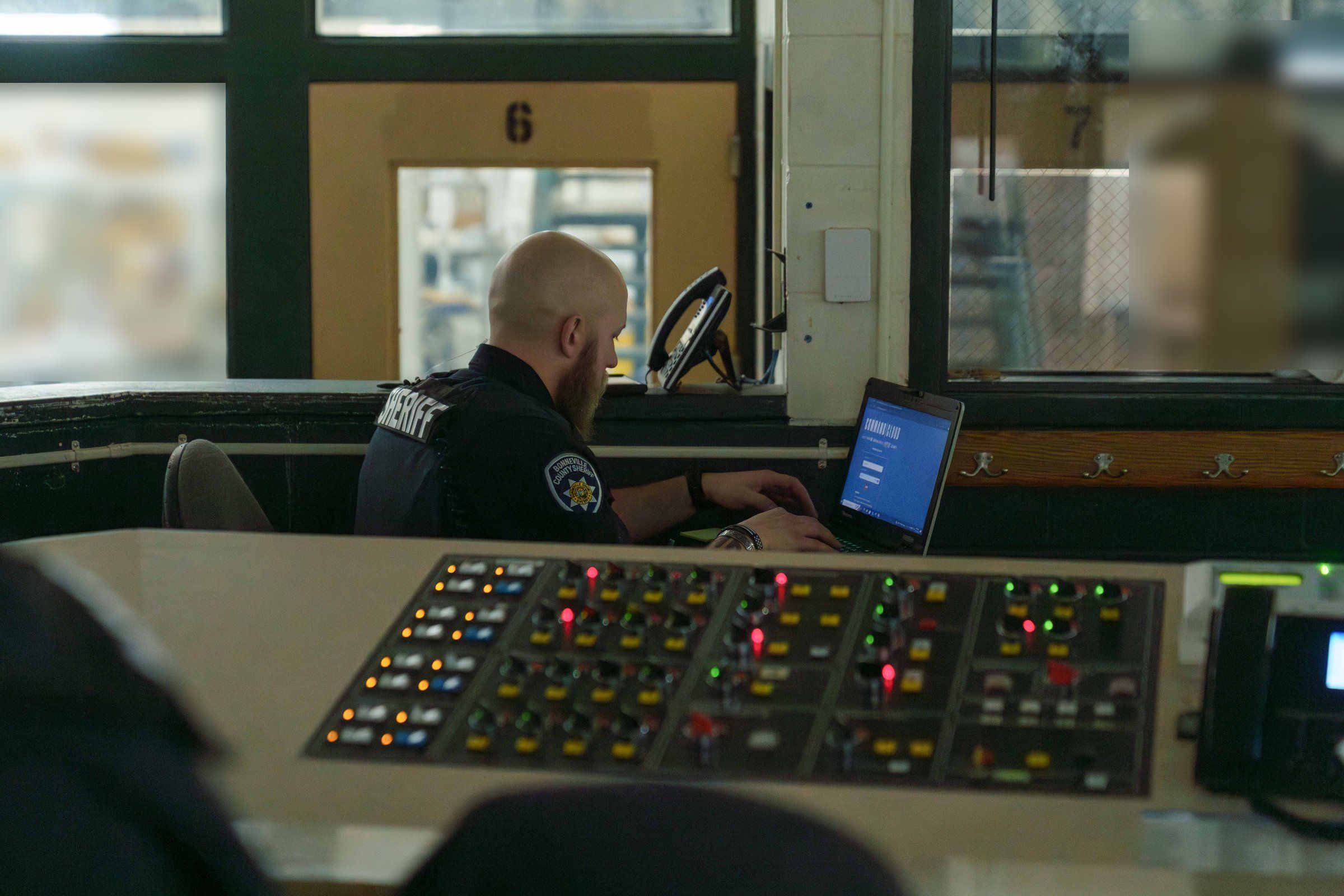
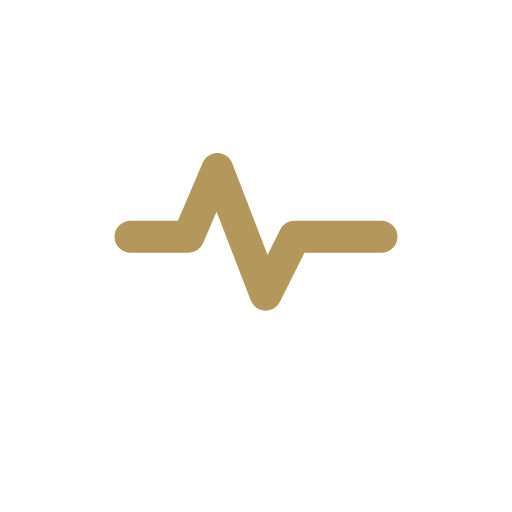
You answer for everything that happens inside your facility. But most of it happens where you can’t see it: in the housing units, on the night shift, between checks.
Your staff works short. Officers juggle multiple apps per shift, and those tools don't talk to each other. Paper logs can't prove what an officer did, when, or where. That gap is where liability lives, and where one bad shift can undo years of good work.
An officer experience platform closes that gap.
What an Officer Experience Platform Does
An officer experience platform is technology built around the work correctional officers do on every shift. It connects officers, supervisors, and the systems a facility already runs into one live picture, and it captures every round, check, and movement as a timestamped record at the point of responsibility.
Command Cloud is the officer experience platform built for corrections.

Built for the Floor. Not the Desk.
Officers scan at the cell door instead of writing in a logbook. Rounds, headcounts, meals, and medications are logged as they happen. Baker County, Florida, cut count times by 60%.
One View. Real Time.
Officers know what's due from the handheld in their hand. Supervisors track what's done and what's running late as the shift unfolds. The Arizona Department of Corrections, Rehabilitation and Reentry's Browning Unit topped 95% out-of-cell compliance within six months.

Documented. Defensible.
Officers get a heads-up before a check is due, and every scan carries a timestamp. The result is a record that holds. Adams County, Indiana, doubled its compliance rate in 30 days.
The Next Step in Corrections Technology
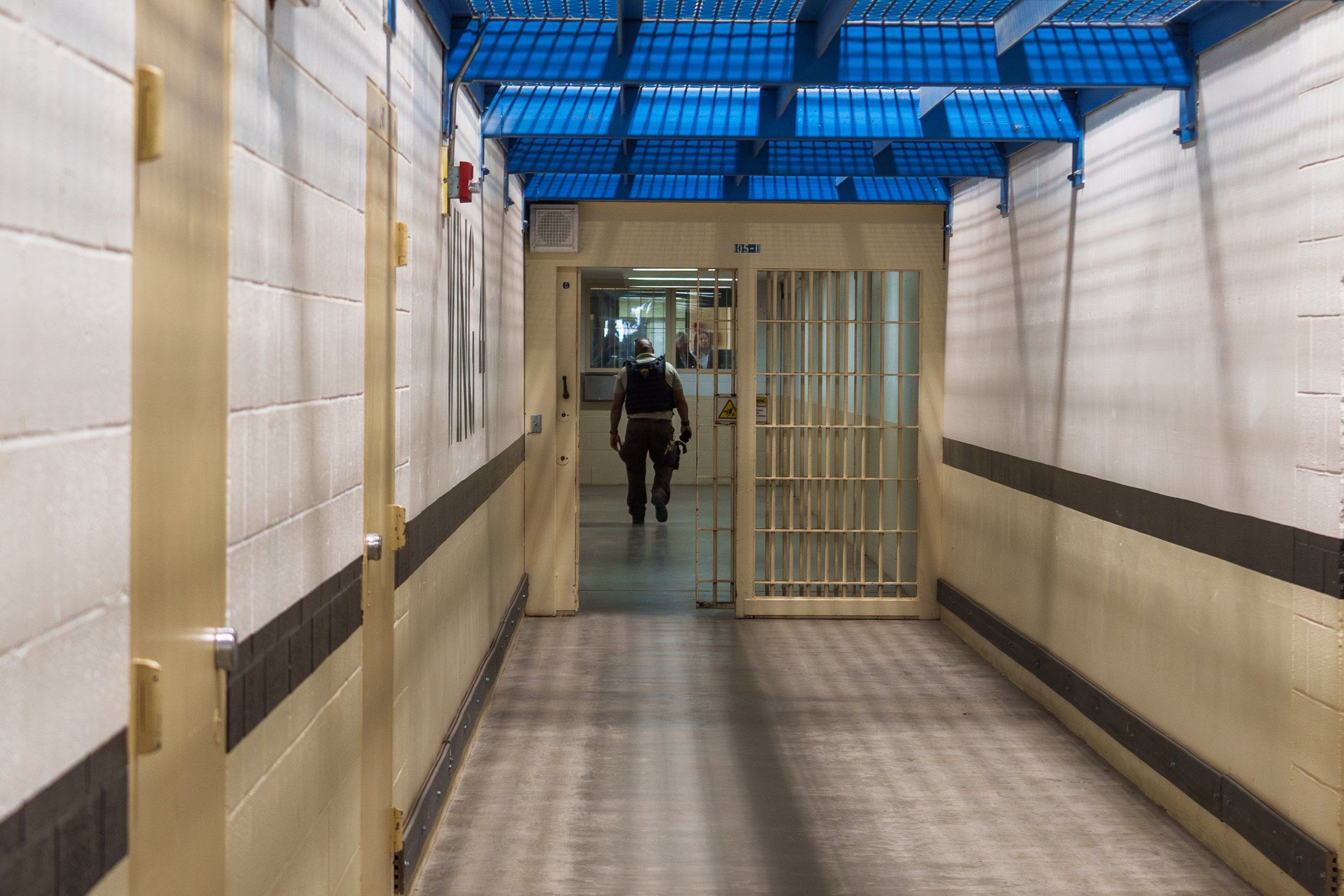
Corrections technology has moved in steps. Jail management systems came first, in the 1980s and early 1990s, moving booking, charges, and housing into a system of record. Guard tour systems followed in the late 1990s and early 2000s. They proved an officer reached a point, but not what happened there.
GUARDIAN RFID was founded in 2005 and introduced mobile inmate tracking with RFID tags and rugged handhelds. Two years later, that data moved to the cloud. In 2022, GUARDIAN RFID introduced the officer experience platform, bringing the officer's whole shift, and the systems around it, into one platform.
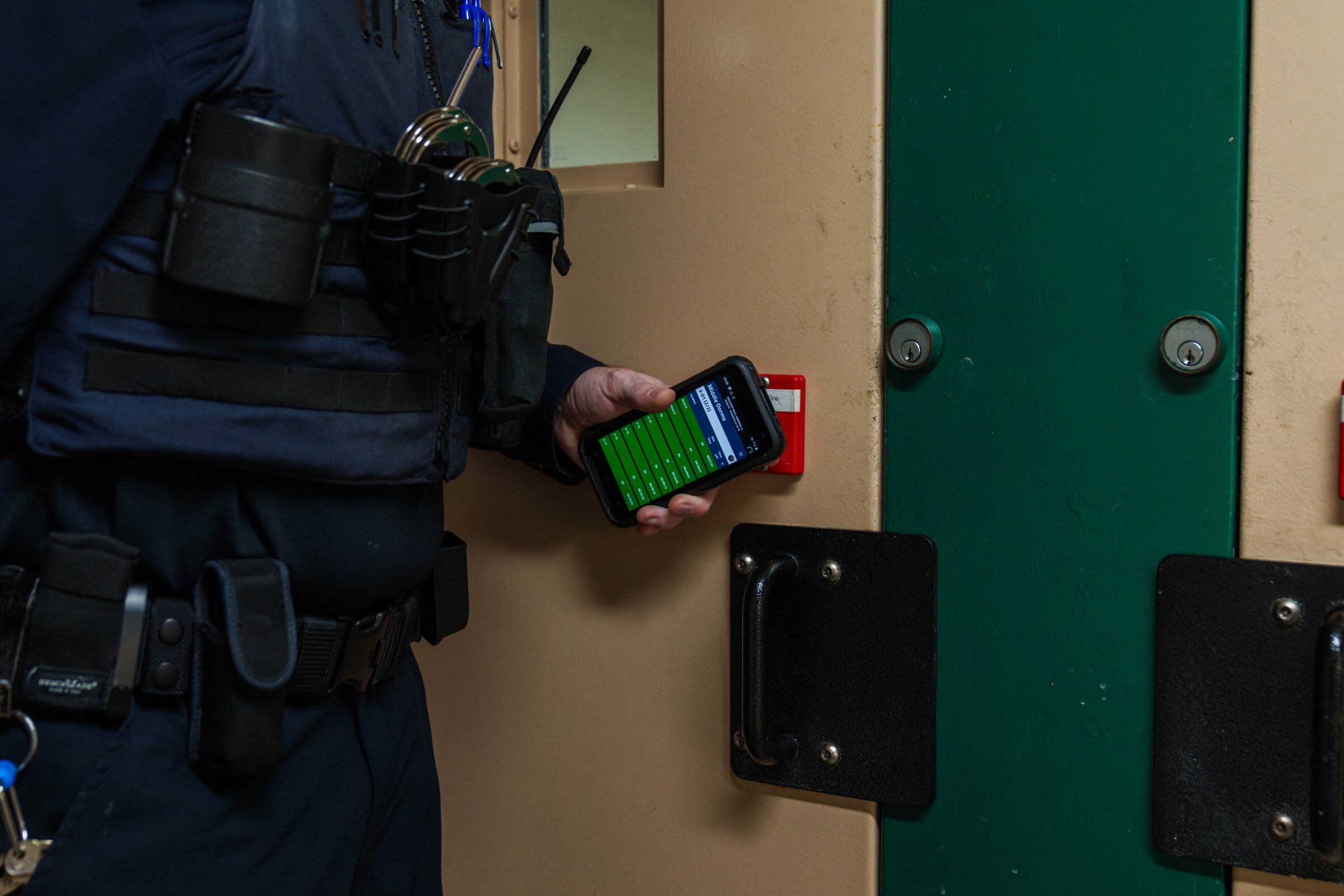
What Makes a Platform an Officer Experience Platform
Plenty of systems log a round. An officer experience platform goes further.
It records what the officer saw and did, not just where they stood. Scans, photos, video, and signatures are all timestamped.
It keeps logging scans when the network drops, then syncs them once the connection is back.
It connects with the systems a facility already runs.
It works for every role, from the line officer to the jail administrator.
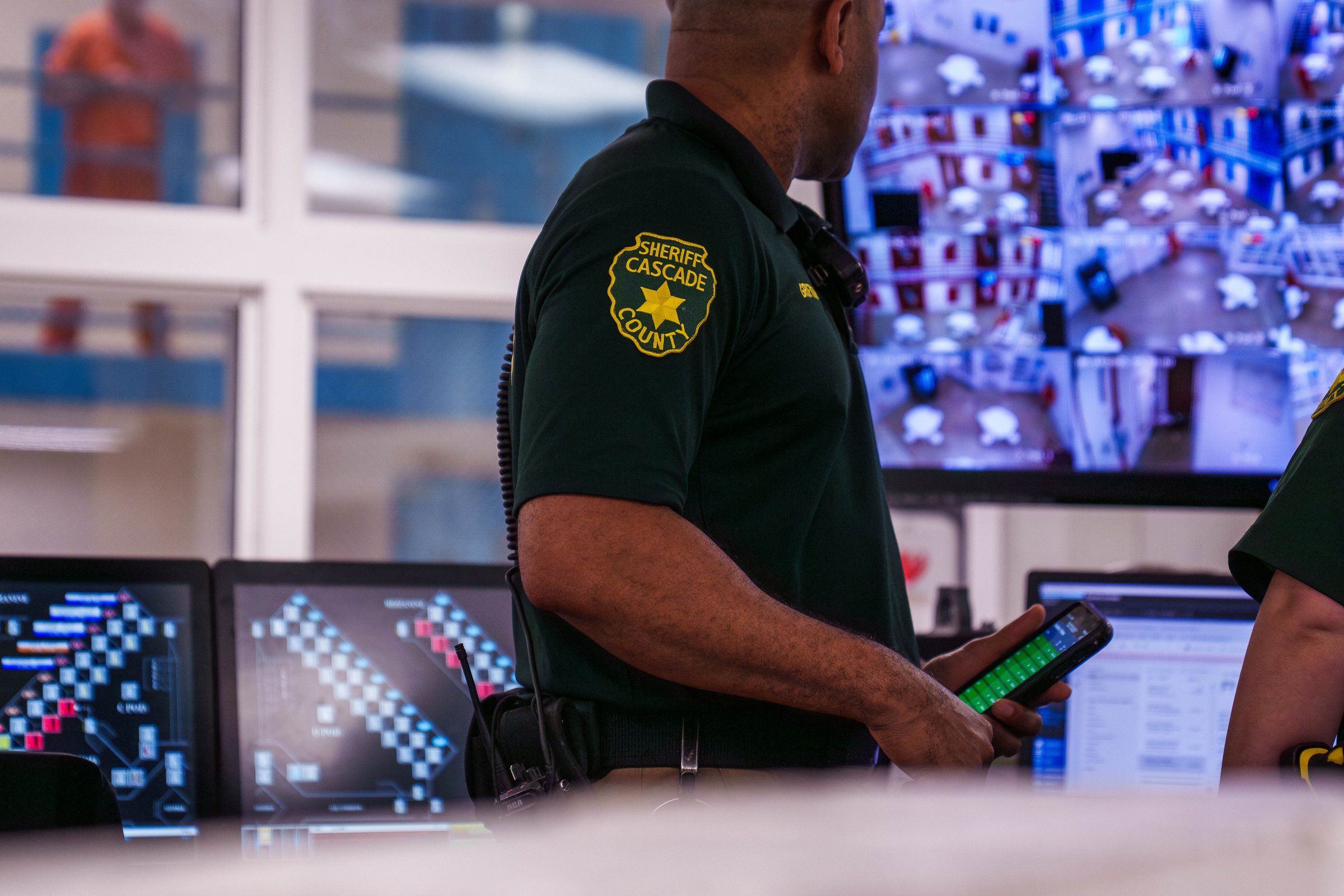
It Connects the Systems You Already Run
An officer experience platform doesn't replace the systems your facility runs. It connects them.
Your jail management system stays your system of record. Video management, inmate health monitoring, and electronic medical records systems each hold another piece of the picture. An officer experience platform brings that data together with what officers capture on the floor, so a distress alert from an inmate health monitoring system can reach the officer's handheld. Which systems connect depends on what your facility runs.
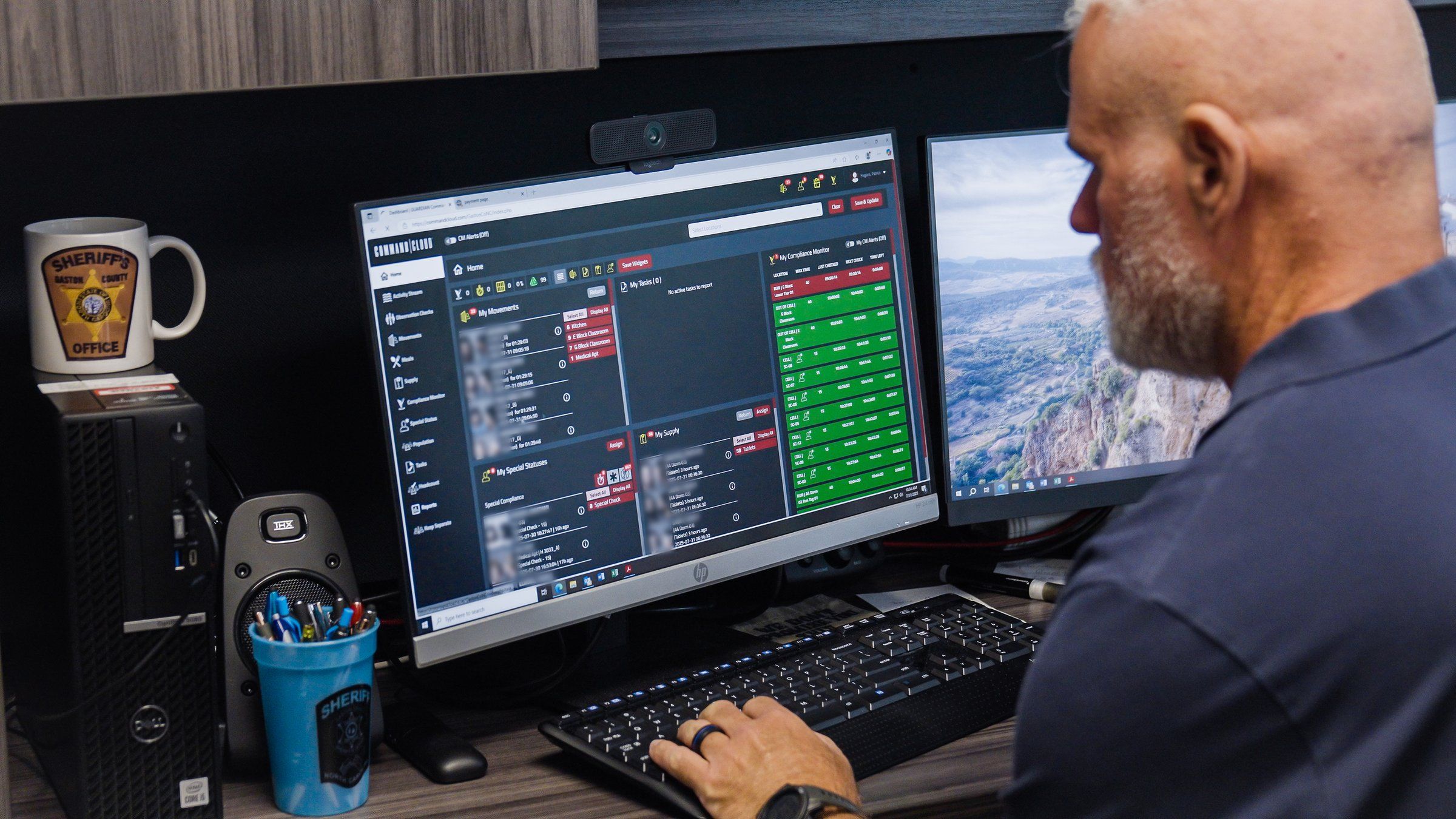
Command Cloud Is the Officer Experience Platform
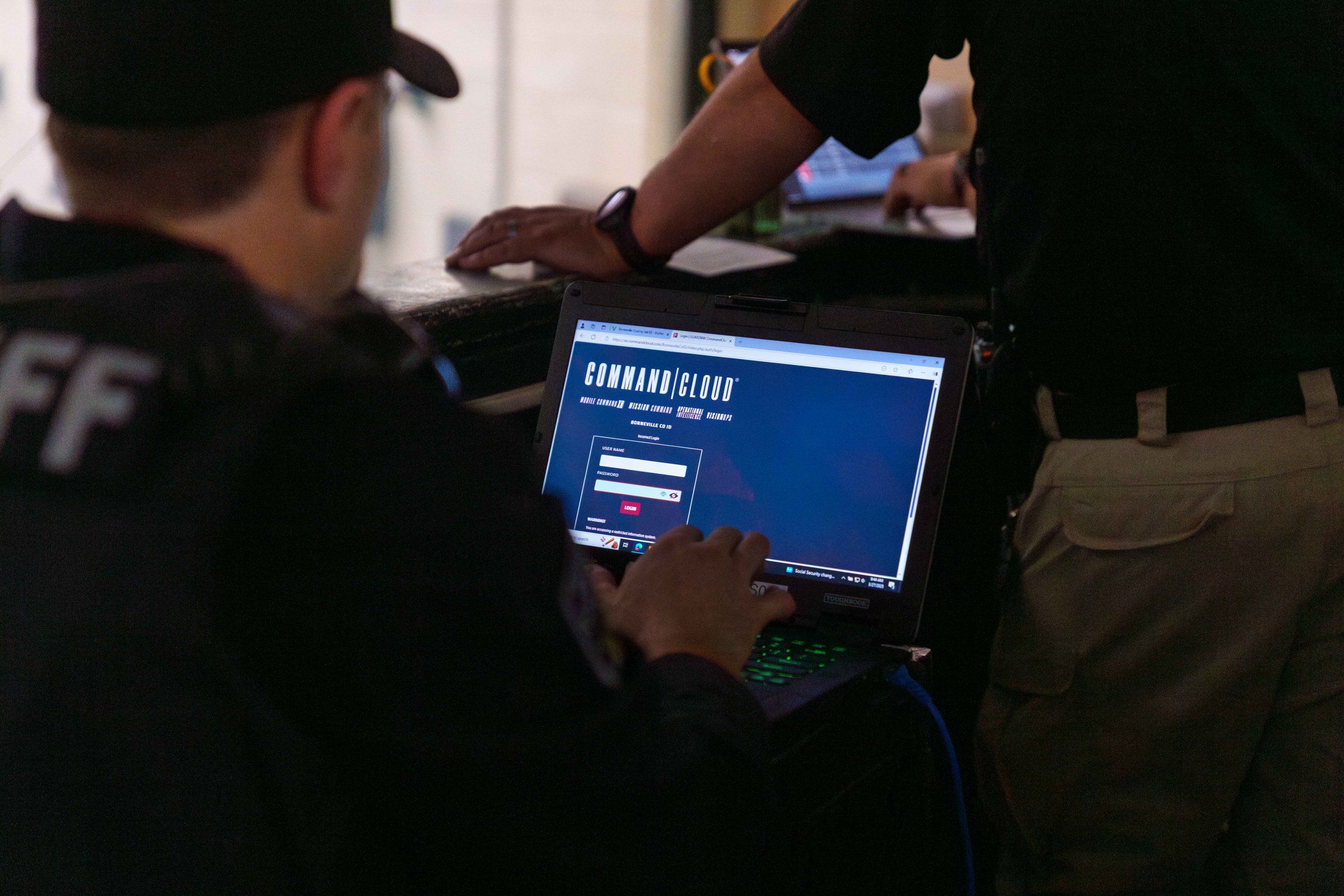
Command Cloud brings Mobile Command XR, Mission Command, Operational Intelligence, Medication Manager, and Academy Unlimited together in one platform.
It's built by people who've worked those shifts. Over 40% of the team are former correctional officers and corrections leaders, with 450+ years of combined corrections experience.
Corrections professionals on all levels
"It has made such a difference to work with a company that employs corrections professionals on all levels. The GUARDIAN RFID team has walked the walk and talked the talk, and their experience really shows through."
Mary Ann Thompson, Warden
St. Mary's County (MD)
See How One Platform Runs the Whole Shift, From Roll Call to Shift Change
Frequently Asked Questions
Any size. GUARDIAN RFID serves facilities with an average daily population from one to about 34,000. That includes county and regional jails, state prisons, juvenile detention facilities, and federal agencies.
Everyone who answers for the shift. Officers on the floor get alerts and document as they go. Sergeants and shift commanders watch live compliance and review late checks. Jail administrators pull the reports that prove it.
Command Cloud runs on two kinds of devices. On the floor, officers use Mobile Command XR on SPARTAN, a rugged handheld. At the desk, supervisors and jail administrators use Mission Command. Each inmate wears a wristband or carries an ID card with an RFID chip, and Hard Tags mount at cells and other locations. A scan is proof the officer was there.
Command Cloud is. GUARDIAN RFID holds a SOC 2 Type II attestation, and Command Cloud is hosted on AWS GovCloud.
Inmate tracking is one part of it. Inmate tracking records where inmates are and who checked on them. An officer experience platform builds the rest of the shift around that data: rounds, headcounts, meals, medications, and movements, plus alerts and supervisor oversight, connected with the facility's other systems.