Warning Signs Your Guard Tour Hardware Is Going Out of Production
Guard tour hardware rarely fails all at once. Learn the warning signs that your system is going out of production, the risks of waiting, and when to start planning a replacement.
Kenzie Rauscher
17 November 2026
TL;DR
Guard tour hardware that goes out of production rarely fails all at once. Memory buttons wear out, replacements get scarce, and vendor support slows before anyone announces an end date.
Paper logs fill the gaps, and supervisors pay for them in overtime. At the Smith County Jail, Texas, that meant 45 minutes to two hours of overtime per shift before the jail replaced its system.
Planning the migration before total failure leaves time to line up funding and to schedule Go-Live around the inspection calendar.
When comparing replacements, ask whether the vendor is still shipping updates to the platform, since that decides how long the new hardware stays useful.
What does it mean when guard tour hardware goes out of production?
Guard tour hardware goes out of production when the manufacturer stops building new units and replacement parts. Support and software updates usually slow or stop along with it. For a correctional facility, that means existing devices keep working only until they fail, and rounds documentation then falls back to paper logs or moves to a new platform. Waiting for total failure usually costs more than planning the move in advance.
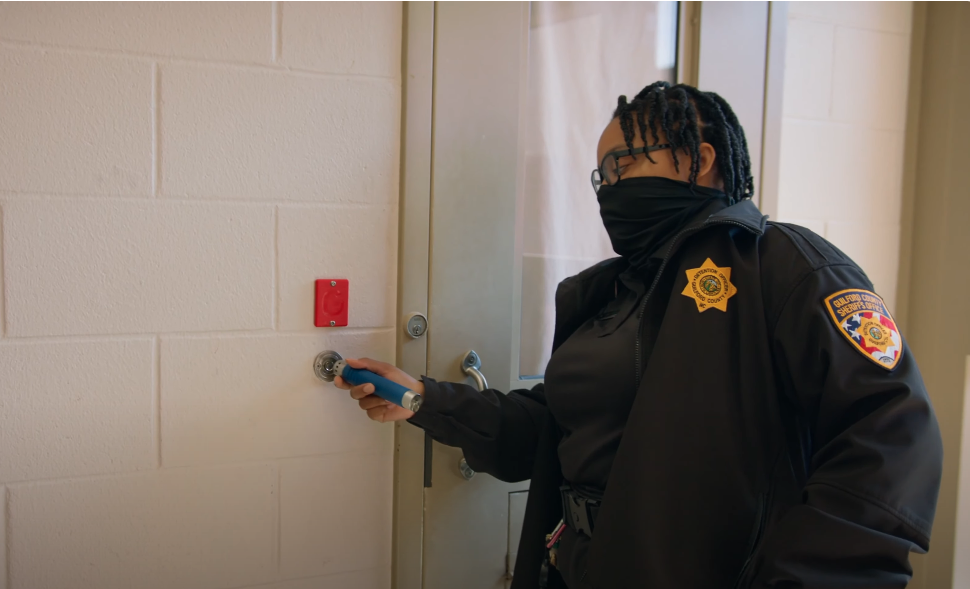
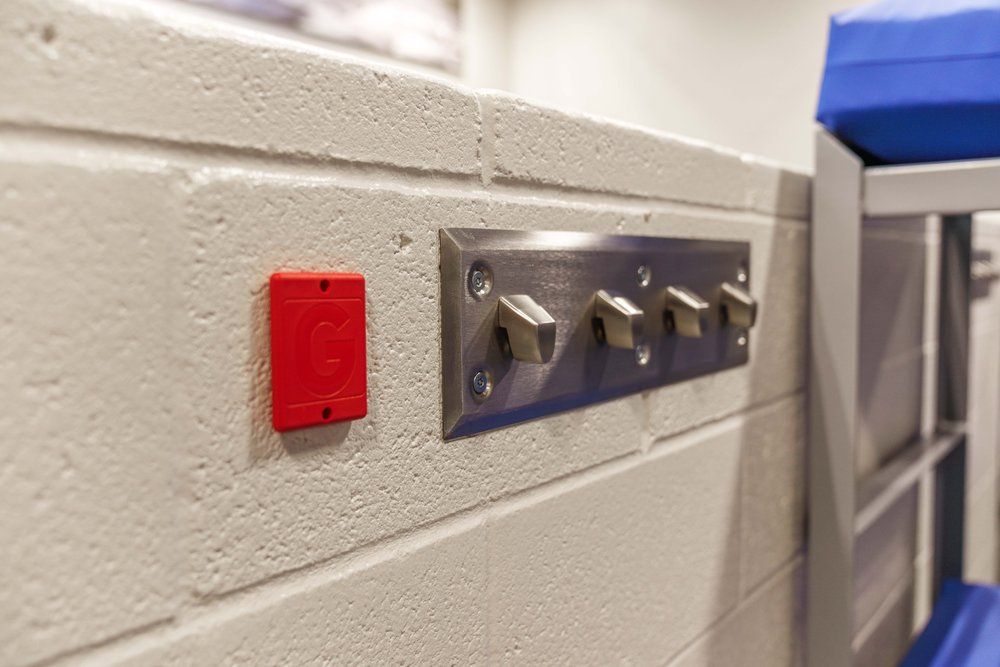
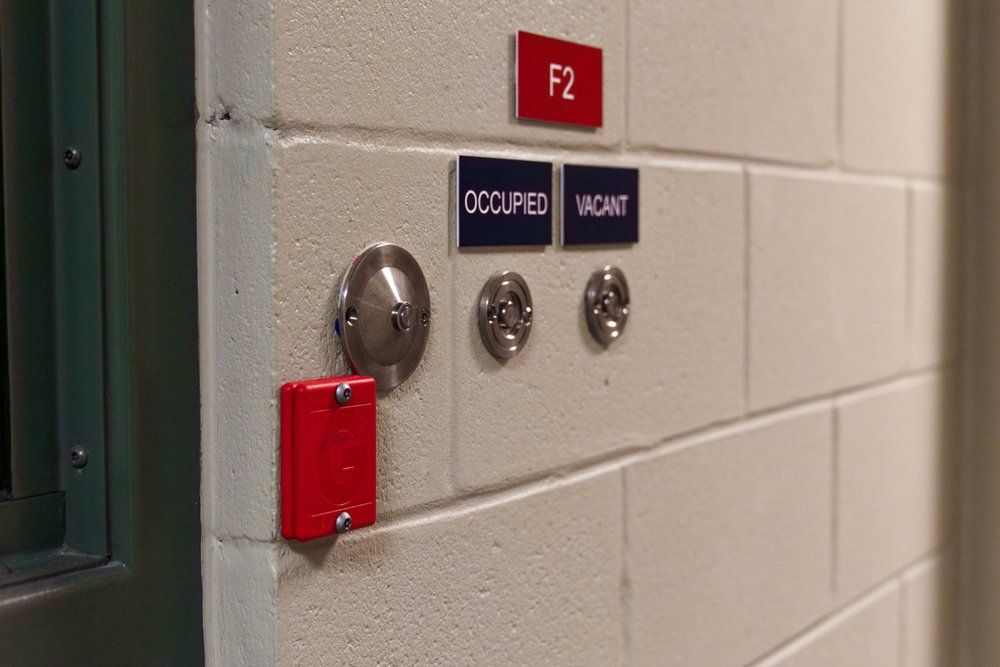
In 2021, when Lt. Lonnie Kettler joined the Smith County Jail, Texas, its guard tour system was already failing. Repeated hardware failures and worn-out, wall-mounted memory buttons often pushed leadership back to fully written logs, and it was common for Kettler and her sergeants to spend 45 minutes to two hours of overtime per shift trying to decipher handwritten paperwork.
When she tried to fix the problems with the vendor, she was met with what she called “condescending” customer service. For four years, the jail had failed to meet Texas Commission on Jail Standards compliance benchmarks.
That is what end-of-life looks like in practice. It is rarely a formal announcement.
The slow death of a guard tour system
Hardware stops working quietly, one button at a time. Agencies running legacy guard tour systems often experience the same problems:
The hardware works well for its first several years.
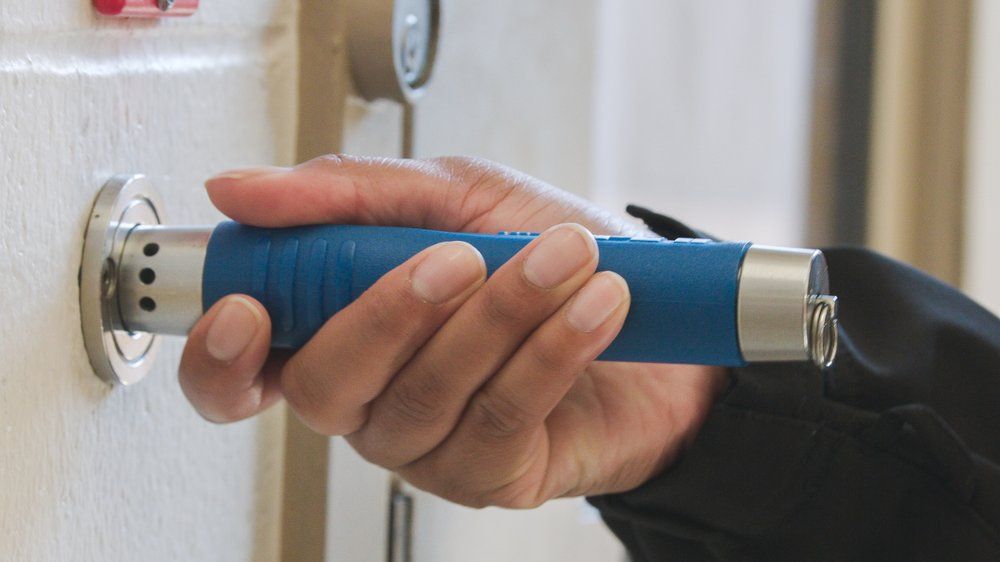
Memory buttons start to fail. Replacements get harder to find.
The vendor's support team becomes slower to respond.
Software updates arrive less often, then stop.
Staff start "supplementing" the system with paper logs to fill the gaps.
The system functions in name only, and the facility is back where it started before it ever invested in the technology.
By the time leadership formally retires the system, the agency has often spent years operating without the documentation it was supposed to have.
How can you tell if your guard tour system is in decline?
There are usually five warning signs. If two or more sound familiar, the system is likely closer to its end-of-life than the vendor is letting on.
Warning sign | What it usually means |
|---|---|
Memory buttons fail more often than they used to | Hardware revisions have stopped. The vendor is selling through old inventory. |
Replacement orders take weeks, not days | Manufacturing has slowed or moved to a "made-on-demand" model. |
The same support tech walks you through the same fix every time | Issues stop at front-line support because there’s no one left to escalate them to. |
Software hasn't had a meaningful update in 18+ months | Engineering investment has effectively stopped. |
Staff are "supplementing" digital logs with paper | The system has functionally already failed. |
For more on the warning signs, read this blog about the top 15 signs you've outgrown your guard tour system.
Why doesn't the vendor just keep manufacturing the hardware?
A few reasons, none of them in the agency's favor.
Component scarcity: Many legacy guard tour devices were built on hardware platforms that are no longer manufactured. When a key chip or contact reader goes out of production, the device cannot be rebuilt economically.
Engineering cost: Maintaining old hardware requires engineers who understand legacy code and legacy circuit boards. As those engineers retire, the cost of keeping the platform alive climbs.
Strategic deprioritization: Vendors sometimes shift focus to a newer platform and quietly stop investing in the older one. The product is not officially discontinued, but no new features ship, and the customer success team gets reassigned.
For the agency on the ground, the cause does not matter. The experience is the same: a system that works less reliably every quarter, with fewer answers when something breaks.
What does waiting cost?
Most administrators underestimate the cost of staying on a failing system. The line items are easy to miss because they are spread across the budget. The real costs include:
Overtime hours: Supervisors spend time every shift reviewing paper logs that the digital system used to capture automatically.
Jail inspection failures: Facilities operating with patchy documentation often fail to meet state jail standards and accreditation assessments.
Litigation exposure: Any gap in your documentation is one a plaintiff’s attorney can use against you. In-custody death and injury claims often hinge on whether the agency can prove that the checks actually happened, and paper logs are the easiest records to challenge.
Lower staff morale: Officers can tell when a tool is broken. Working around a failing system every shift erodes trust in command staff and in the agency's ability to invest in its people.
Lt. Kettler put that cost in personal terms: “In the past, the officers spent a lot more time here concentrating on paperwork rather than the important things, which is the family that’s at home.”

When should an agency start planning the migration?
Earlier than feels comfortable. Most administrators wait until the system fails outright. By then, the agency is operating on paper, and the migration becomes a fire drill instead of a planned project.
A better trigger is when a second warning sign shows up. If memory buttons are failing more often and replacements are taking weeks to arrive, the system is already in decline. Starting the evaluation now gives the agency time to:
Issue an RFP or run a vendor evaluation
Secure funding (canteen funds, grant funds, or commission approval)
Plan training and Go-Live around the existing inspection calendar
Deploy without operational disruption
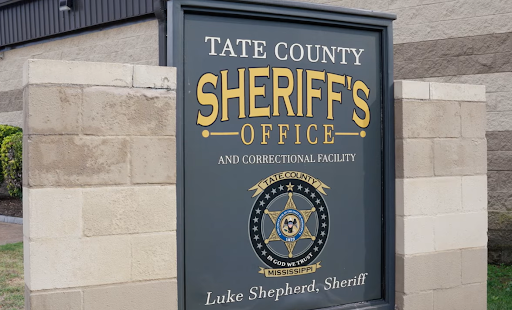
The Tate County Sheriff’s Office, Mississippi, purchased its system with canteen fund revenue (money generated from inmate commissary sales), so the implementation came at no cost to county taxpayers. Funding options like that take time to line up, which is one more reason to start planning before the system fails entirely.
Tate County Jail Case Study
The Tate County Sheriff's Office partnered with Northwest Mississippi Community College to deliver high school equivalency and vocational training inside its jail, producing 28 high school equivalency graduates and 85 vocational graduates since January 2025 at no cost to the county.
What does a modern replacement actually look like?
The replacement is not a newer wand. It is a different category of device.
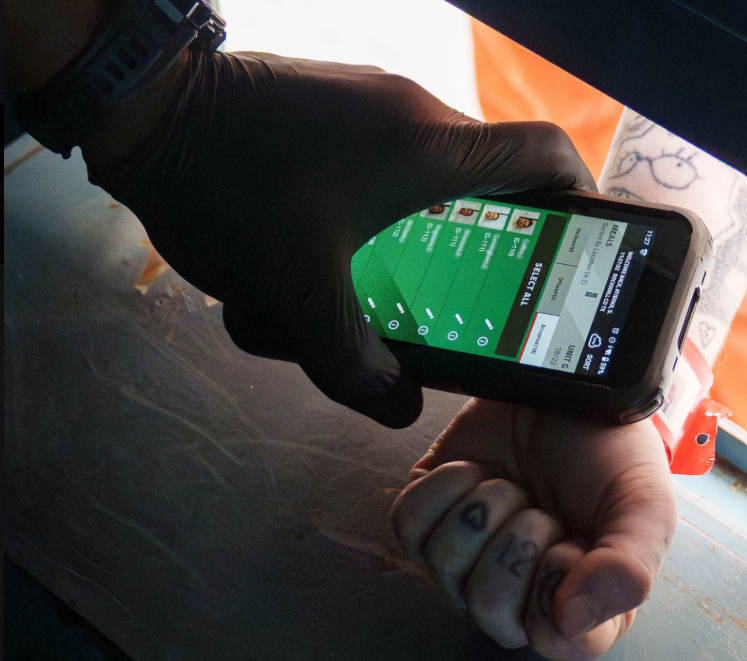
Modern officer hardware typically includes a rugged, smartphone-like device that captures data via radio frequency identification (RFID), camera and video evidence, voice-to-text documentation, and real-time alerts for late or upcoming rounds. Most modern software is cloud-based, meaning the vendor can ship improvements continuously rather than asking the agency to swap out hardware every few years.
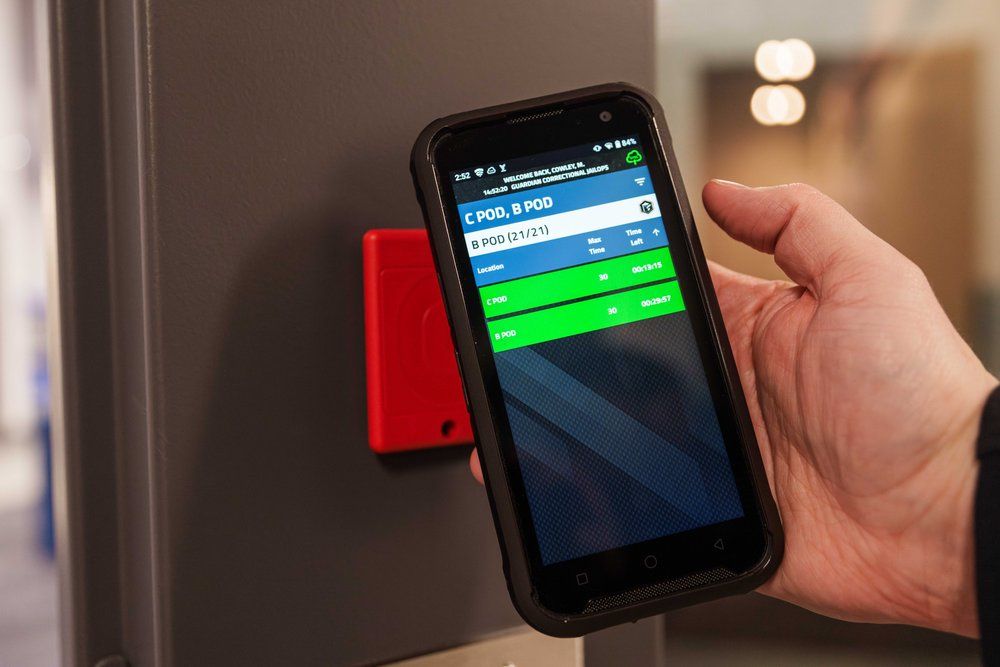
Agencies that have made the migration consistently describe the same shift. Captain Alexander Gray at the Rockwall County Jail, Texas, said his agency's legacy system "had become antiquated" after 13 years of use, with "not a lot of effort being put into improving or adding useful features."
After migrating to modern technology, the facility moved from reactive documentation to proactive compliance. According to the jail’s 2025 case study, rounds compliance held between 99.76% and 99.99% in quarterly 14-day samples from Q1 2024 through Q1 2025.
The Adams County Detention Center, Indiana, saw a similar leap after going live with its new inmate tracking system in April 2025. Sheriff Dan Mawhorr described it this way: "Our numbers were once in the 40% to 50% range for getting our rounds done on time. Now we're in the 98% to 99% range."
The point is not that the new hardware is faster. The point is that the platform is still being developed, so the agency is not buying into the same decline again.
For a closer look at what a planned migration looks like end-to-end, see why agencies migrate from OnDemand to Command Cloud.
FAQ
How do we know when our guard tour hardware is near end-of-life?
Watch the five warning signs above, not the age of the system. Device lifespans vary by vendor and model, so ask your vendor in writing whether your model is still manufactured, how long replacement parts will be stocked, and when support for it ends.
Can we keep using our legacy hardware until it fully fails?
Technically, yes. Practically, the cost compounds. Every quarter spent on a failing system adds paper logs, overtime, and documentation gaps that the agency will have to answer for in an inspection or a lawsuit.
How do we know if the vendor has actually stopped investing in the platform?
Ask for a list of features shipped in the last 12 months and a specific roadmap for the next 12. If the answers are vague or limited to bug fixes, the platform is in maintenance mode.
Will migrating to new hardware disrupt our jail inspection cycle?
Not if the migration is planned around it. Schedule training and Go-Live in the window between inspections, and ask each vendor for references from agencies that went live on a similar timeline. The Tate County Sheriff’s Office, Mississippi, earned American Correctional Association (ACA) accreditation within 13 months of implementing its new platform.
What if our budget doesn't have room for a migration this year?
It rarely does, until it has to. Agencies have funded migrations through canteen funds, capital improvement budgets, and grant programs. The harder funding conversation is the one that follows a lawsuit tied to gaps in legacy documentation.
The bigger picture
Legacy guard tour hardware does not have an expiration date stamped on it. It just gets quieter every year: less responsive, less reliable, less worth the renewal check. The agencies that come out ahead are the ones that recognize the curve early and migrate while they still have options.
The longer you wait, the less of a choice you have.
Evaluating a migration off legacy guard tour hardware? Download the Ultimate Guide to Mobile Inmate Tracking for the frameworks, vendor questions, and feature checklists agencies use to plan a successful transition.
The Ultimate Guide to Mobile Inmate Tracking
This guide explores mobile inmate tracking and how it modernizes corrections by enhancing accountability, efficiency, and officer safety through real-time, handheld solutions.
You may also like these
Related Posts

5 Questions to Ask Any Guard Tour Vendor Before You Sign
Guard Tour System vs. Officer Experience Platform: What Agencies Need to Know